Burst Pipe Repair Guide for Late Spring Storms in St. Louis, MO
Late spring storms in St. Louis can put a surprising amount of stress on older plumbing systems. Heavy rain saturates the ground, temperatures can swing quickly, and aging pipes may already be close to failure. When a pipe bursts, the first call should be to a skilled plumber who can stop the damage, find the break, and make the repair correctly.
Here is what St. Louis homeowners should know before and after a storm.
Why Late Spring Storms Cause Burst Pipes
St. Louis sits on expansive clay soil. When that soil absorbs heavy rainfall, it swells and shifts. That movement puts pressure on underground water lines, drain lines, and pipe joints.
Older homes are especially vulnerable. Many homes built before 1990 still have original cast iron, galvanized steel, or aging pipe materials in place. When those pipes are already weakened by corrosion, soil pressure can push them past the breaking point.
Late spring temperature swings can add to the problem. A warm afternoon followed by a cold night can stress fittings and joints that are already under pressure.
That combination is why we see more burst pipe calls after heavy storms in areas like O’Fallon, Chesterfield, Wentzville, St. Peters, and surrounding communities.
Signs You May Have a Burst Pipe After a Storm
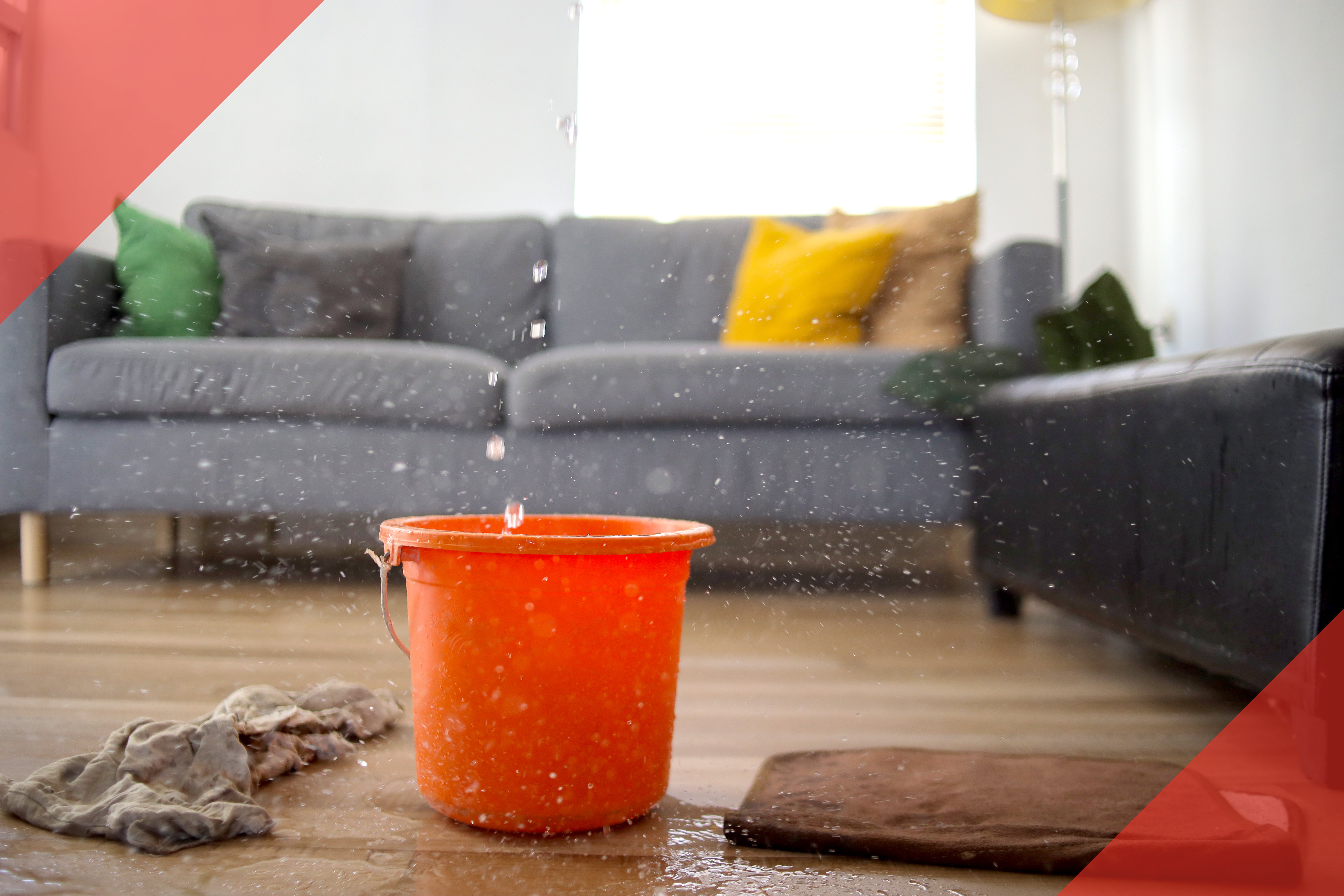
A burst pipe does not always create an immediate flood. Some leaks are hidden behind walls, under floors, or underground.
Watch for a sudden drop in water pressure, the sound of running water when no fixtures are on, wet spots on floors or ceilings, new water stains on drywall, or standing water in the yard above a buried line.
A sudden spike in water usage on your meter or utility app can also point to a hidden leak.
If you notice more than one of these signs, treat it like an active leak until a licensed plumber confirms otherwise. Waiting can allow water to spread into drywall, flooring, insulation, and framing.
What to Do Immediately When a Pipe Bursts
The first step is to shut off the main water supply. The main shutoff is usually near the water meter or where the main line enters the home.
Stay away from standing water if it is near electrical outlets, appliances, or the breaker panel.
Do not try to patch a pressurized pipe yourself. Temporary fixes rarely hold, and they can make the repair harder once a plumber arrives.
Take photos and videos of the damage before cleanup begins. This can help with insurance documentation later.
Once the water is off and the area is safe, call for emergency plumbing service.
How We Diagnose and Repair a Burst Pipe
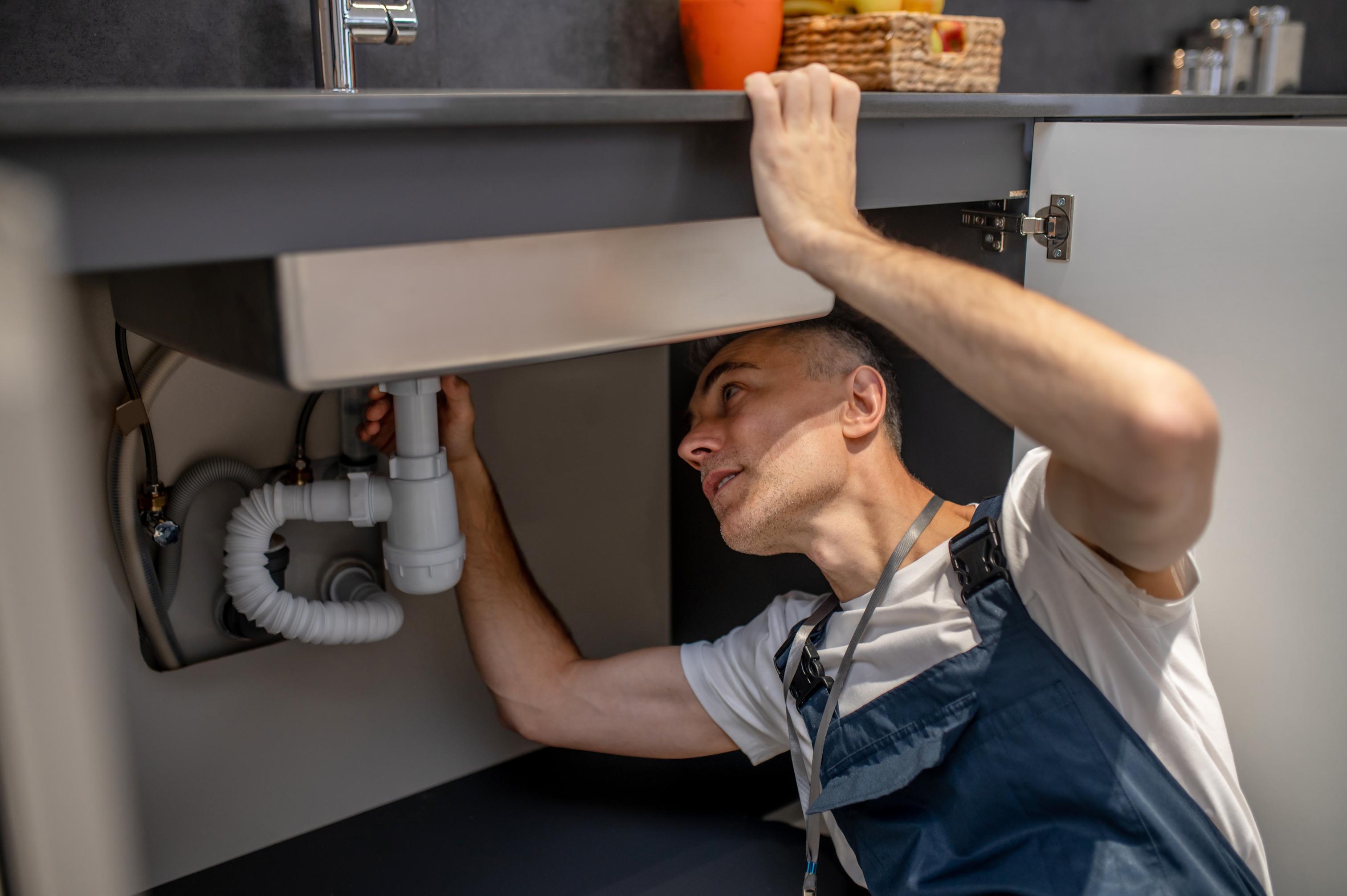
When our team arrives, we start by finding the break. If the pipe failure is visible, that process is straightforward. If the leak is behind a wall, beneath a slab, or underground, we use pressure testing and leak detection equipment to locate the problem without unnecessary demolition.
Once the break is found, we determine whether a targeted repair is enough or whether a larger section of pipe should be replaced.
In older homes, one burst section can reveal a bigger issue. Galvanized or cast iron pipes with heavy corrosion may be weak in multiple places. When that is the case, we explain what we found, show you the options, and provide a written estimate before any work begins.
No repair starts until you approve the price.
Water Damage After a Burst Pipe
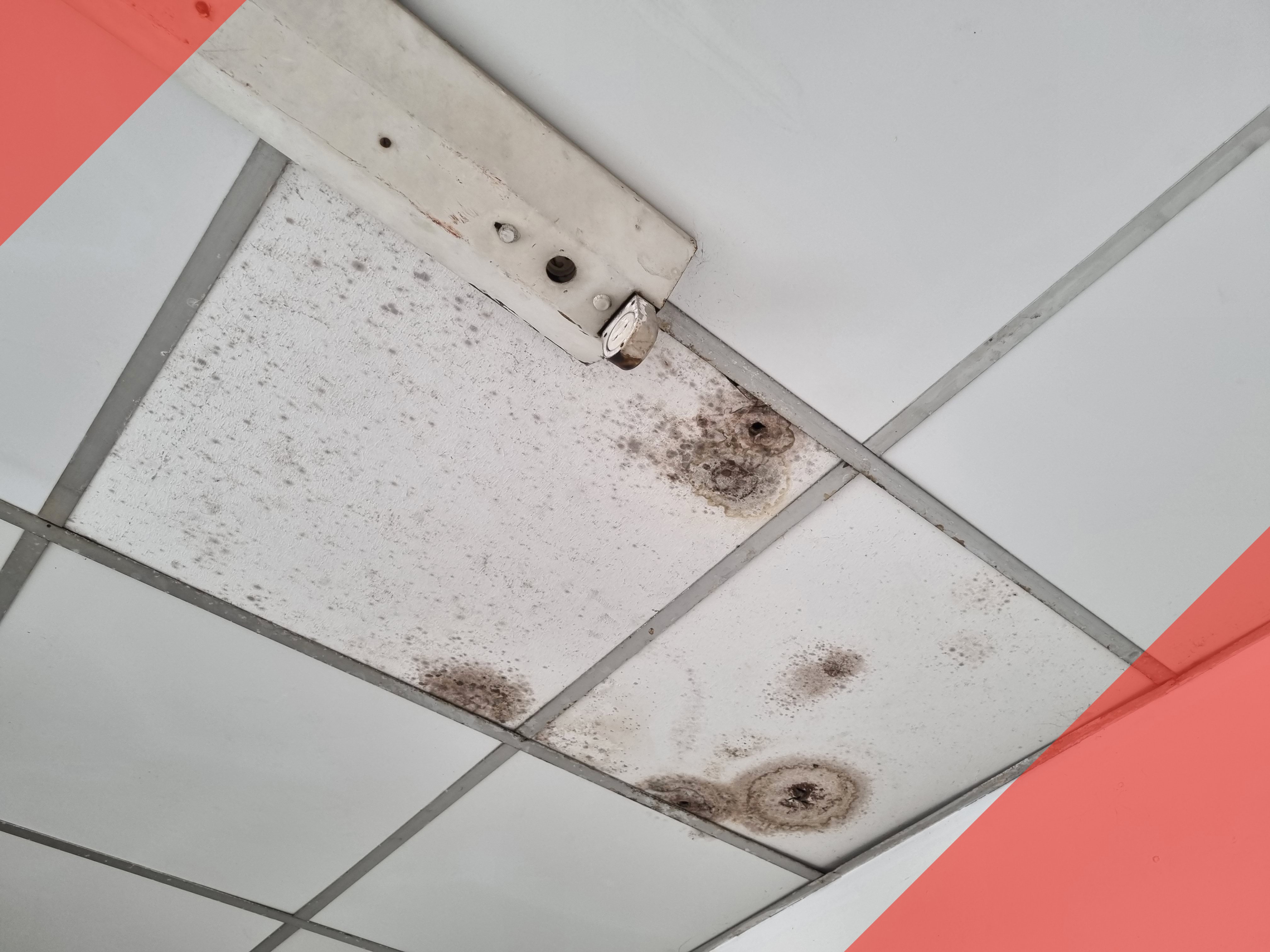
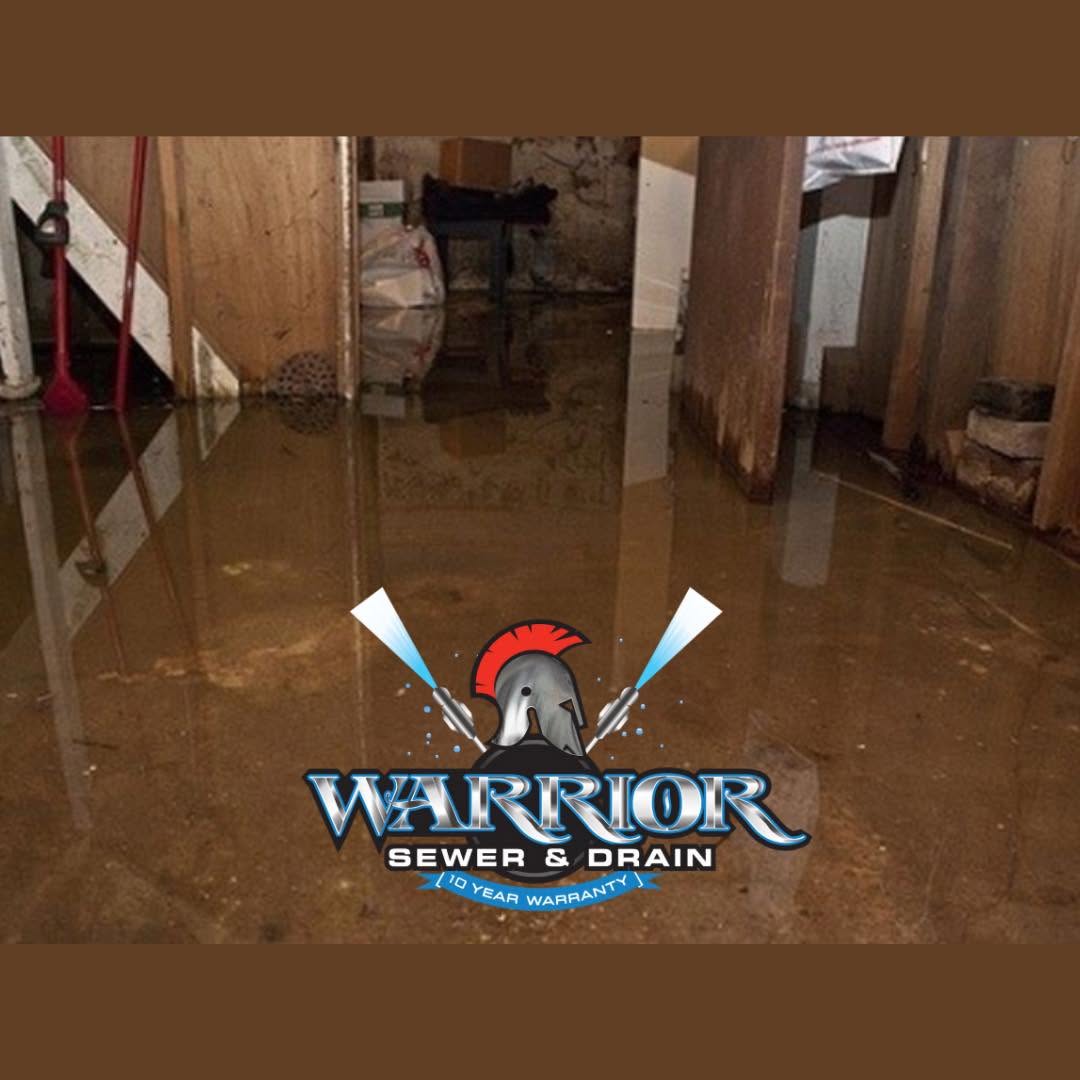
A burst pipe can damage more than the plumbing. Water can move into drywall, subflooring, insulation, cabinetry, flooring, and personal belongings.
The faster the water is extracted and the area is dried, the less secondary damage occurs. Mold can begin developing within 24 to 48 hours when moisture is left in the right conditions.
We provide water damage restoration along with plumbing repair, so you are not left trying to coordinate a separate company while water continues spreading through the home.
How to Reduce Your Risk Before the Next Storm
You cannot stop St. Louis storms, but you can reduce the chance of a pipe failure.
Know where your main water shutoff valve is and make sure it turns freely. If it has not been used in years, test it before you need it.
If your home was built before 1985 and has never had a plumbing assessment, schedule an inspection before storm season.
Pay attention to low water pressure, slow drains, rust-colored water, or recurring leaks. These can be signs that the plumbing system is already under stress.
Also, make sure gutters and downspouts move stormwater away from the foundation. Keeping water away from the soil around your home helps reduce pressure on buried lines.
When to Call for Help
Call right away if you hear running water with no fixtures on, see new wet spots after a storm, notice a major pressure drop, or find standing water where it does not belong.
A burst pipe gets more expensive the longer it runs. Fast action, a clear diagnosis, and a proper repair can limit the damage and help protect the rest of the home.
Related Topics: