How Does Humidity Affect Water Damage Restoration in St. Louis, MO?
Anyone who's spent a July in St. Louis knows the air itself can feel wet before a single drop of rain falls. That humidity matters more than most people realize after a water line replacement or any water damage event, since it directly affects how much moisture the air can pull from walls, floors, or furniture, and it's something a qualified plumber will factor in when assessing the full scope of damage to a home.
Humid Air Can't Absorb Much More Moisture
Drying relies on moving air pulling moisture out of wet materials and carrying it away. When the surrounding air is already holding a lot of moisture, which is normal for a St. Louis summer, it has less room left to absorb more from a soaked carpet or a damp wall. This is why opening windows and running a box fan after a leak often doesn't do much on a muggy day, even though it feels like it should help.
Why Dehumidifiers Do More Than Fans
A standard fan moves air around a room. It doesn't change how much moisture that air is holding, which is the part that actually matters. A commercial dehumidifier pulls water vapor out of the air itself, lowering the humidity in the space and giving materials somewhere for their own trapped moisture to go.
Running fans and a dehumidifier together, rather than fans on their own, is usually what shortens a drying timeline in a climate as humid as ours.
Humidity Extends the Window for Mold
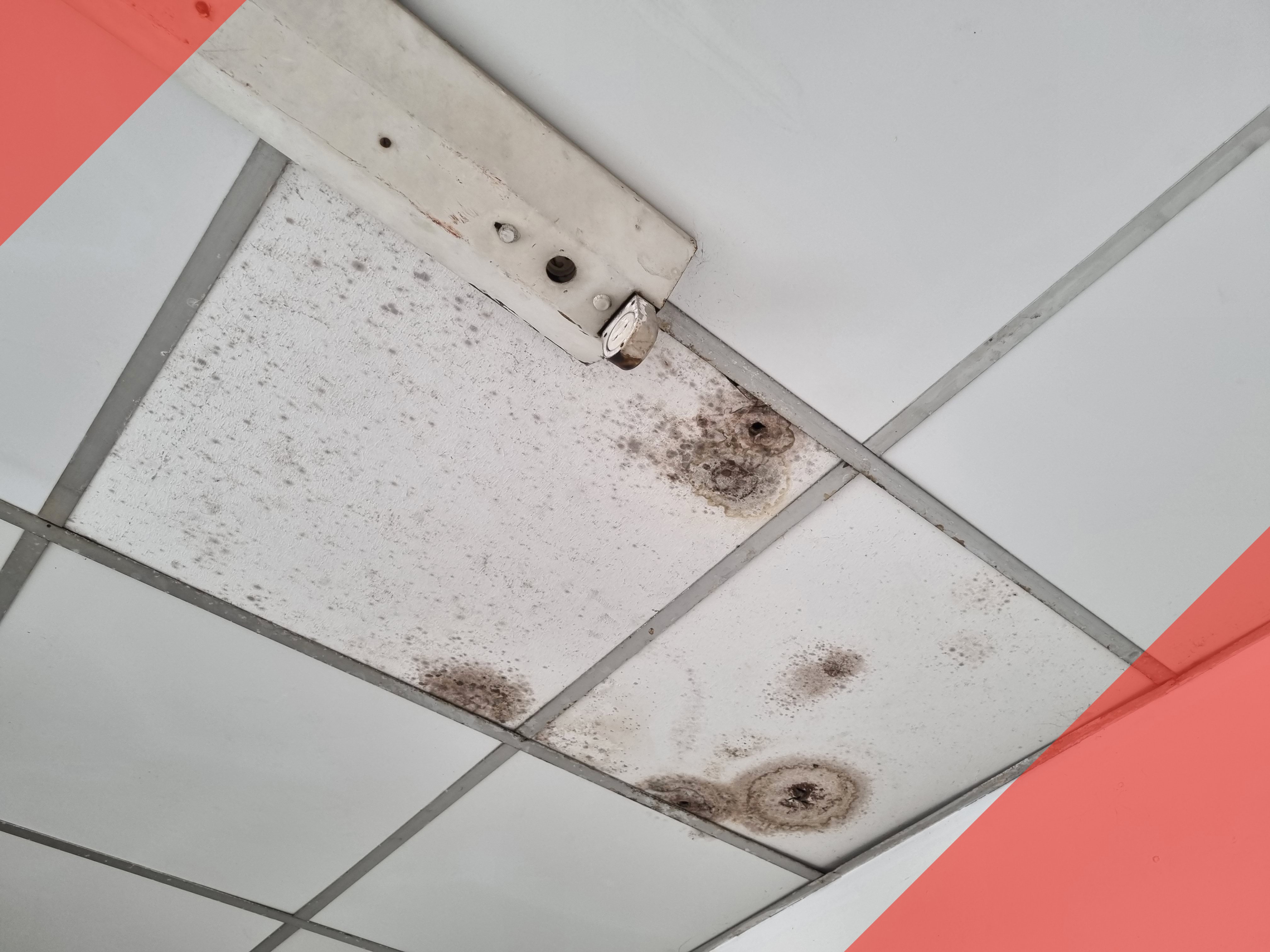
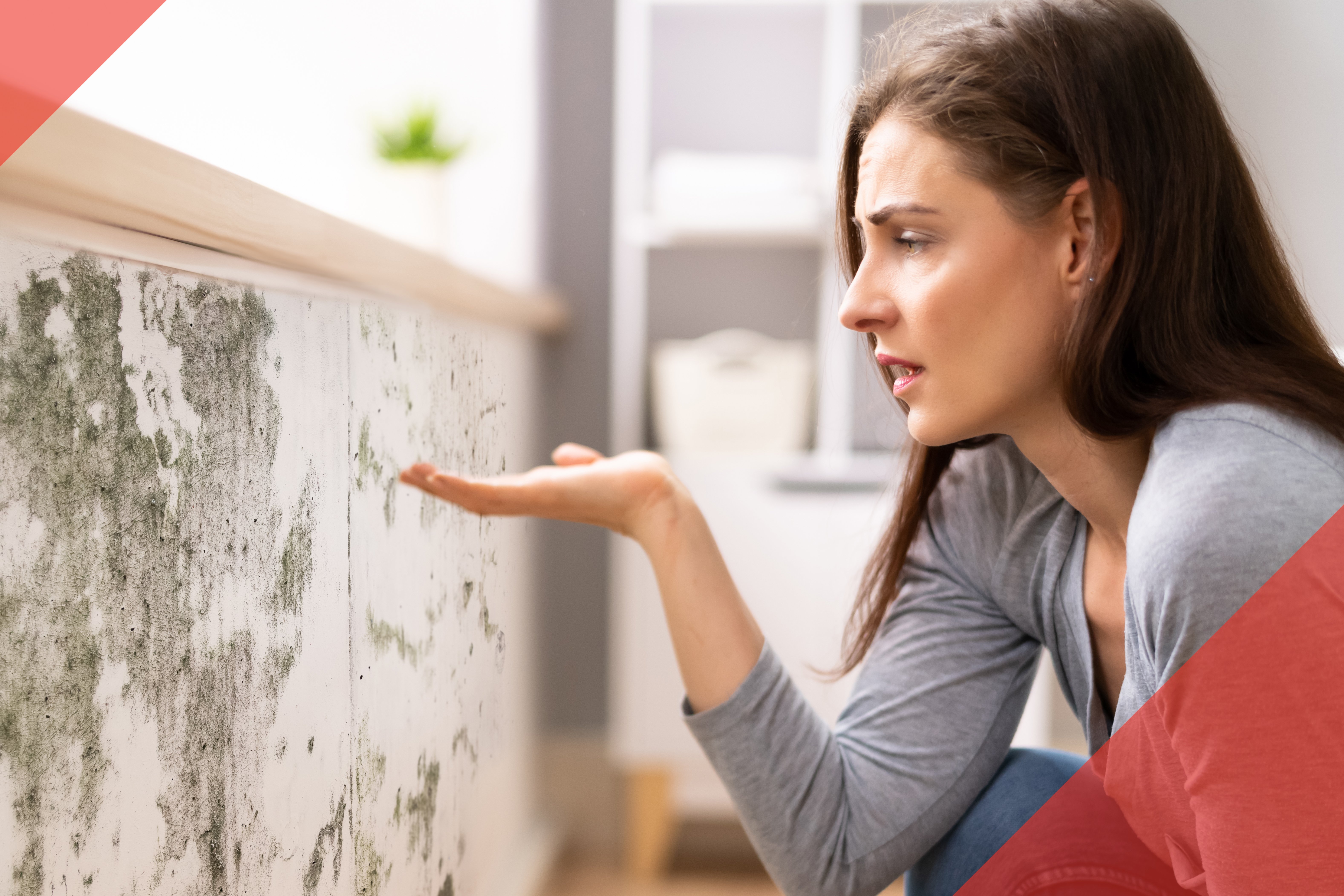
Mold needs moisture, a food source like drywall or wood, and time. High humidity keeps materials damp longer even after standing water is gone, and that stretches out exactly the window mold needs to get started.
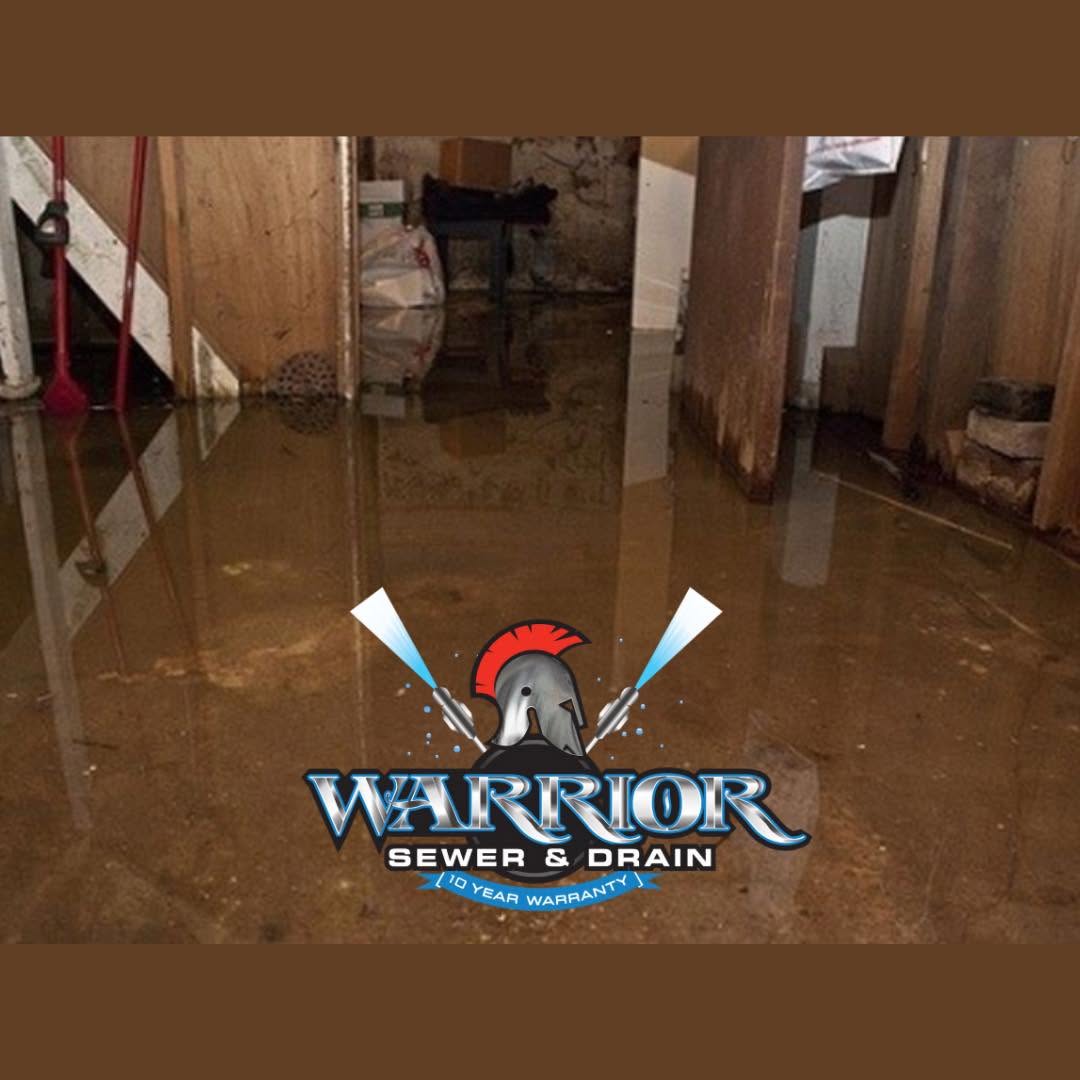
A basement that would dry out in a day or two during a dry stretch in October might take noticeably longer during a humid week in July. That extra time matters more than it sounds like it should.
Seasonal Timing Changes the Approach
A water event in the middle of a humid St. Louis summer often calls for more aggressive drying equipment and closer monitoring than the same event might need in a cooler, drier month. The air simply isn't doing as much of the work on its own.
That's why we adjust equipment placement and check moisture levels more often on humid jobs than we would in October or November.
Moisture Meters Tell the Real Story
Surfaces can feel dry to the touch while the material underneath is still holding water, especially in humid conditions where the air near the surface stays damp longer than expected. A room can look and feel fine and still test wet a few inches into the wall.
That's exactly why we check drywall, subfloor, and framing with a meter instead of judging by touch or by how a room smells.
What This Means If You're Dealing With Water Damage Right Now
If water got into your home during a humid stretch, don't assume a couple of days with the windows open and a box fan running will finish the job the way it might in cooler, drier weather. Humidity is working against the drying process, not helping it. That's the kind of detail that decides whether a wall dries out completely or ends up with hidden moisture and a mold problem a few weeks later.
Our team handles water damage restoration across the St. Louis metro and St. Charles County year round, and we factor humidity and season into how we set up drying equipment on every job, not just how fast we can get standing water off the floor.
Related Topics:
- What Are the Risks of Standing Water Inside a Home in St. Louis, MO?
- How Can Flash Flooding Impact Homes in St. Louis, MO?