What Should You Do After Storm Damage Causes Water Intrusion in St. Louis, MO?

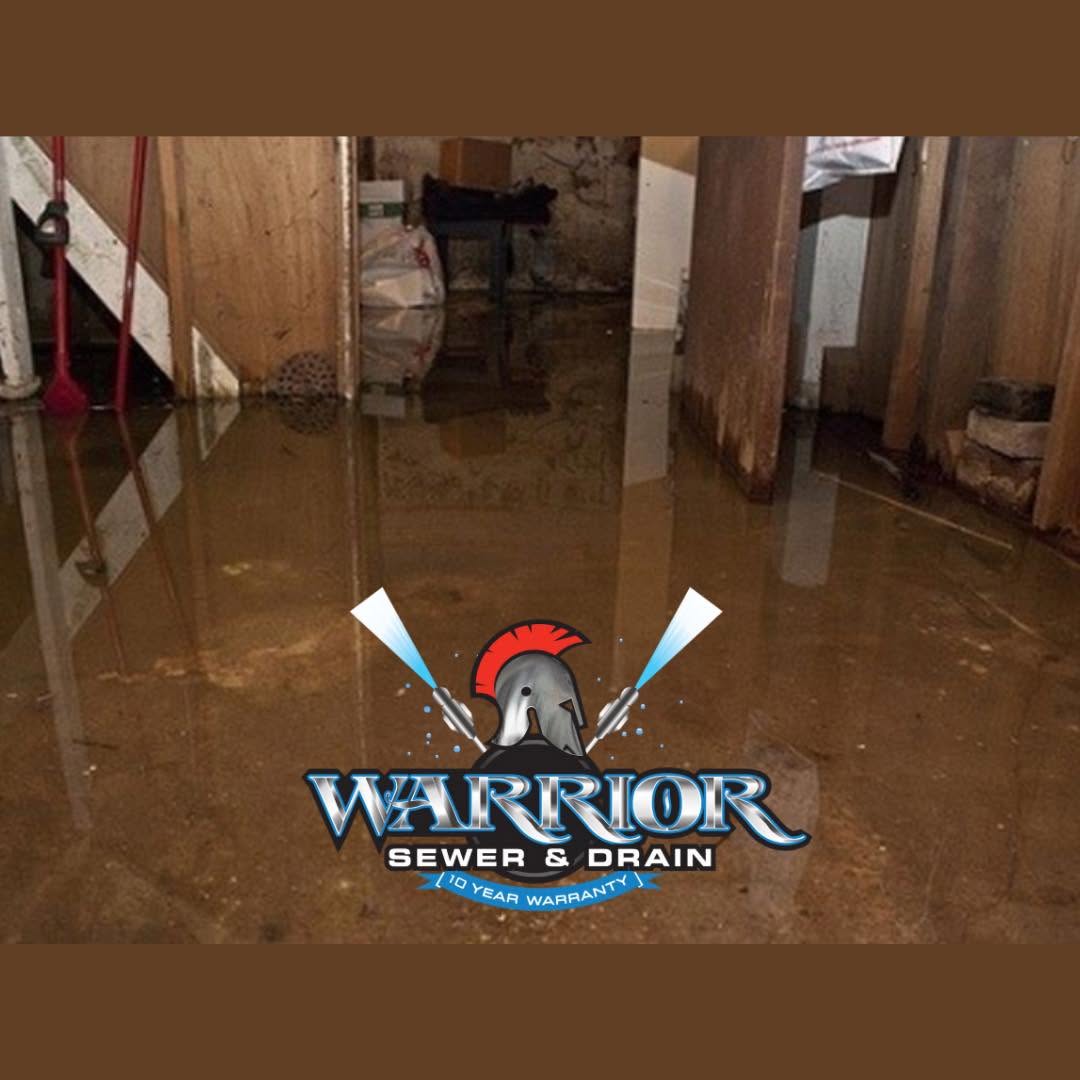
A hard storm rolls through, the rain lets up, and then you notice it. Water along the baseboards. A wet spot spreading across the basement carpet. A window well that overflowed and found its way inside. If this just happened to you, you're probably standing in your living room right now trying to figure out what to grab first.
As a trusted plumbing company in St. Louis, MO, here's the order we'd walk you through if you called us this minute, with an experienced plumber ready to guide every step.
Start With Safety, Not Cleanup
Before anything else, look up and look down. Check for sagging ceiling tiles, bulging drywall, or a roof that's clearly compromised, since those point to a bigger structural problem than a wet floor. If water is anywhere near outlets, a breaker panel, or plugged in appliances, don't wade through it.
Shut off power to that area at the breaker if you can reach it safely, and if you can't reach it without stepping in water, leave it alone and call an electrician or your utility provider first. Wet drywall, wet insulation, and standing water are all things that can wait a few minutes. A person getting shocked cannot.
Document What You're Looking At
Once it's safe to move around, take pictures and a short video walkthrough before you start moving anything or mopping anything up. Get the water line on the wall, the ceiling stain, the soaked carpet, all of it, from a few angles. Note roughly when the water showed up and where it seems to be coming from. This isn't just for us. Your insurance adjuster is going to ask for exactly this kind of record, and it's much easier to capture it now than to try to reconstruct it later from memory.
Get Standing Water Out As Soon As You Can
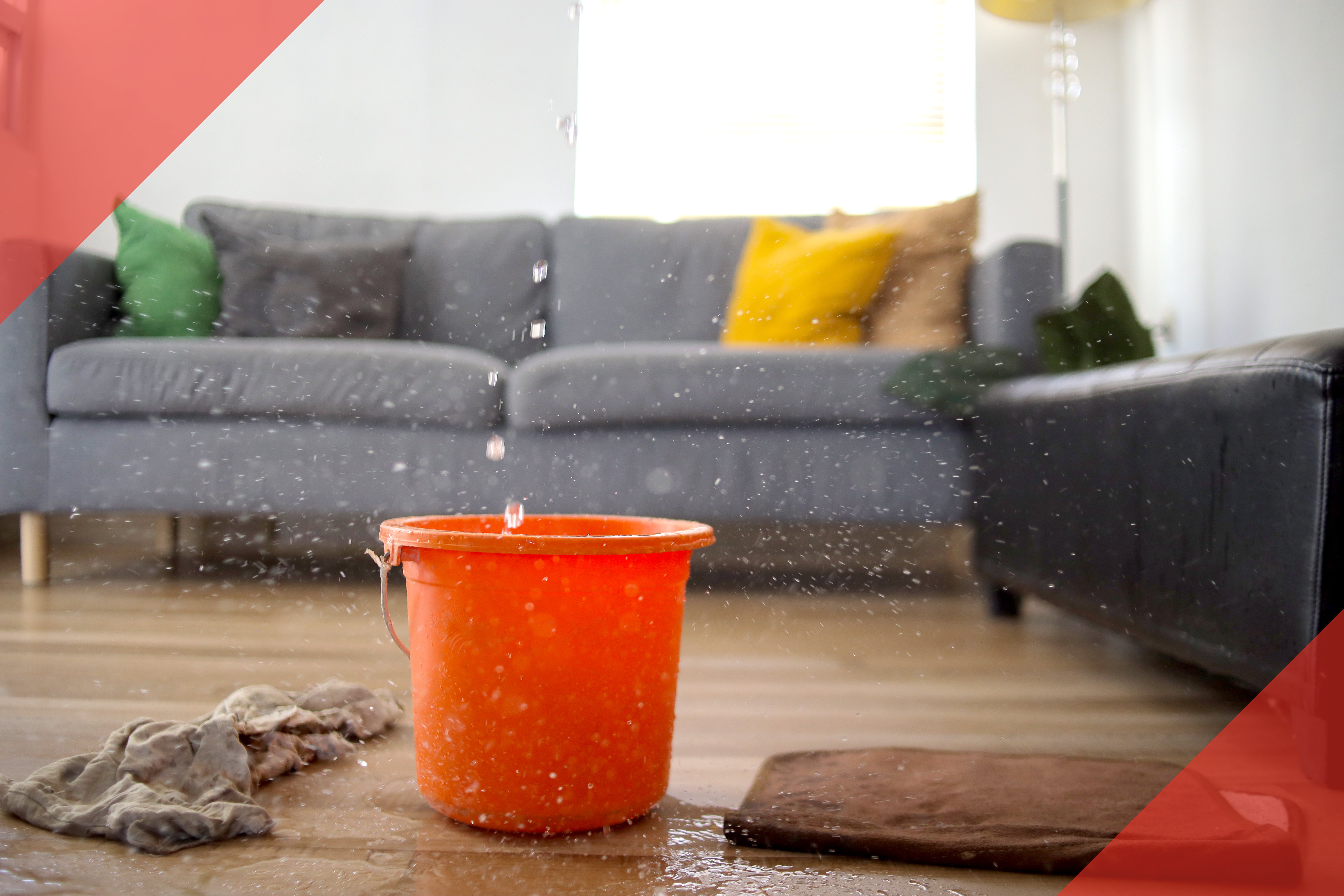
Water sitting on a floor for a few hours is a very different problem than water sitting there overnight. If it's a small amount, towels, a mop, or a shop vac can handle it. For anything deeper than an inch or two, especially in a finished basement, you're better off getting equipment on it fast rather than trying to bail it out by hand. Move furniture, rugs, and boxes off the wet floor and up onto something dry while you're at it. Wood furniture legs and cardboard boxes sitting in water for hours are what turn a cleanup job into a replacement job.
Watch For These Signs Over the Next Day or Two
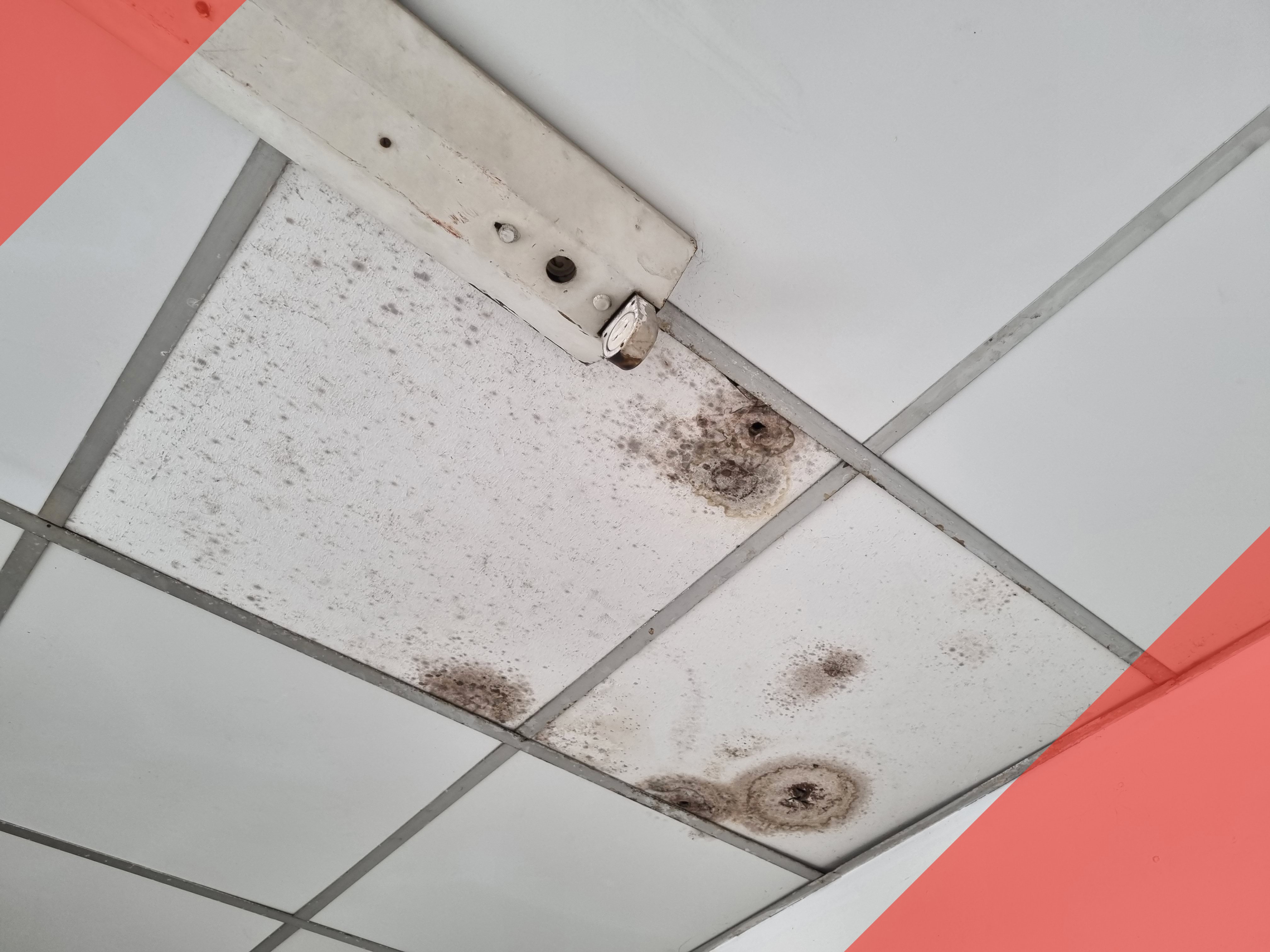
Even after the visible water is gone, moisture likes to hide. A musty smell that wasn't there before, paint that starts bubbling on a wall, drywall that feels soft when you press on it, or flooring that starts to cup or warp are all signs that water worked its way further than what you could see and mop up. These are the details we check for with moisture meters when we come out, because a floor can look dry on the surface and still be holding water underneath.

Bring In a Water Damage Team Before Mold Has a Chance to Start
Mold doesn't wait around. Once materials stay wet, it can start setting up shop in a short window, which is exactly why the drying step matters as much as the water removal step. Our team uses commercial dehumidifiers and air movers to pull moisture out of walls, subfloor, and framing, not just what's sitting on top of the carpet. We'll walk the affected area with you, point out what's salvageable and what isn't, and give you a written estimate before any work starts, so you know the cost up front instead of guessing.
If your issue actually started with a sewer backup or a failed line rather than storm water, that changes some of the steps, since a sewer backup brings its own set of health considerations. Worth mentioning if that's closer to what you're dealing with.
Frequently Asked Questions
How fast should I call someone after finding water in my home? As soon as it's safe to do so. The longer materials sit wet, the more likely you are dealing with warped flooring, damaged drywall, or the start of mold growth instead of a straightforward dry out.
Can I just run fans and a dehumidifier I already own? For a very small, shallow spill, maybe. For anything soaking into carpet, drywall, or subfloor, household fans usually aren't enough to pull moisture out of the materials themselves, which is where commercial drying equipment makes the difference.
Will my homeowners insurance cover this? That depends on your policy and the source of the water, which is something to confirm directly with your insurance provider. Photos and a clear record of when the water appeared will help that conversation go faster no matter what your policy covers.
Do I need to move out of my house while it dries? Not usually. Most jobs are handled with the household still living there, though we'll let you know if a specific room or area needs to stay closed off while equipment runs.
What if the water keeps coming back after every storm? That's often a sign of a bigger issue, like grading around the foundation, a failing sump pump, or a crack that's letting water in every time it rains hard. That's worth a proper look rather than repeating the same cleanup after every storm.
Contact Us
Our team at Warrior Sewer & Drain is here to help you solve drain and sewer problems the right way. Whether you are dealing with a clogged drain, sewer backup, or a larger plumbing issue, we provide fast, reliable service backed by honesty, precision, and real expertise. As a veteran-owned, family-run business, we are committed to delivering long-lasting solutions with no upsells and no shortcuts.
Address: 743 Spirit 40 Park Dr #234, Chesterfield, MO 63005, United States
Phone: (636) 498-2686
Business Hours:
- Sunday: Closed
- Monday: 7 AM to 5 PM
- Tuesday: 7 AM to 5 PM
- Wednesday: 7 AM to 5 PM
- Thursday: 7 AM to 5 PM
- Friday: 7 AM to 5 PM
- Saturday: 7 AM to 2 PM
Contact us here or call us directly to book your service online, request emergency help, or get expert assistance for your sewer and drain needs.
Related Topics: