Common Plumbing Emergencies in St. Louis, MO Homes
Many homes across St. Louis County and St. Charles County were built between the 1950s and 1990s. That means older sewer lines, aging pipe materials, and plumbing systems that may already be near the end of their service life. Having a qualified plumber ready to call can make a major difference when a small warning sign turns into an urgent repair.
Here are the plumbing emergencies St. Louis homeowners should know how to recognize.
Sewer Backups
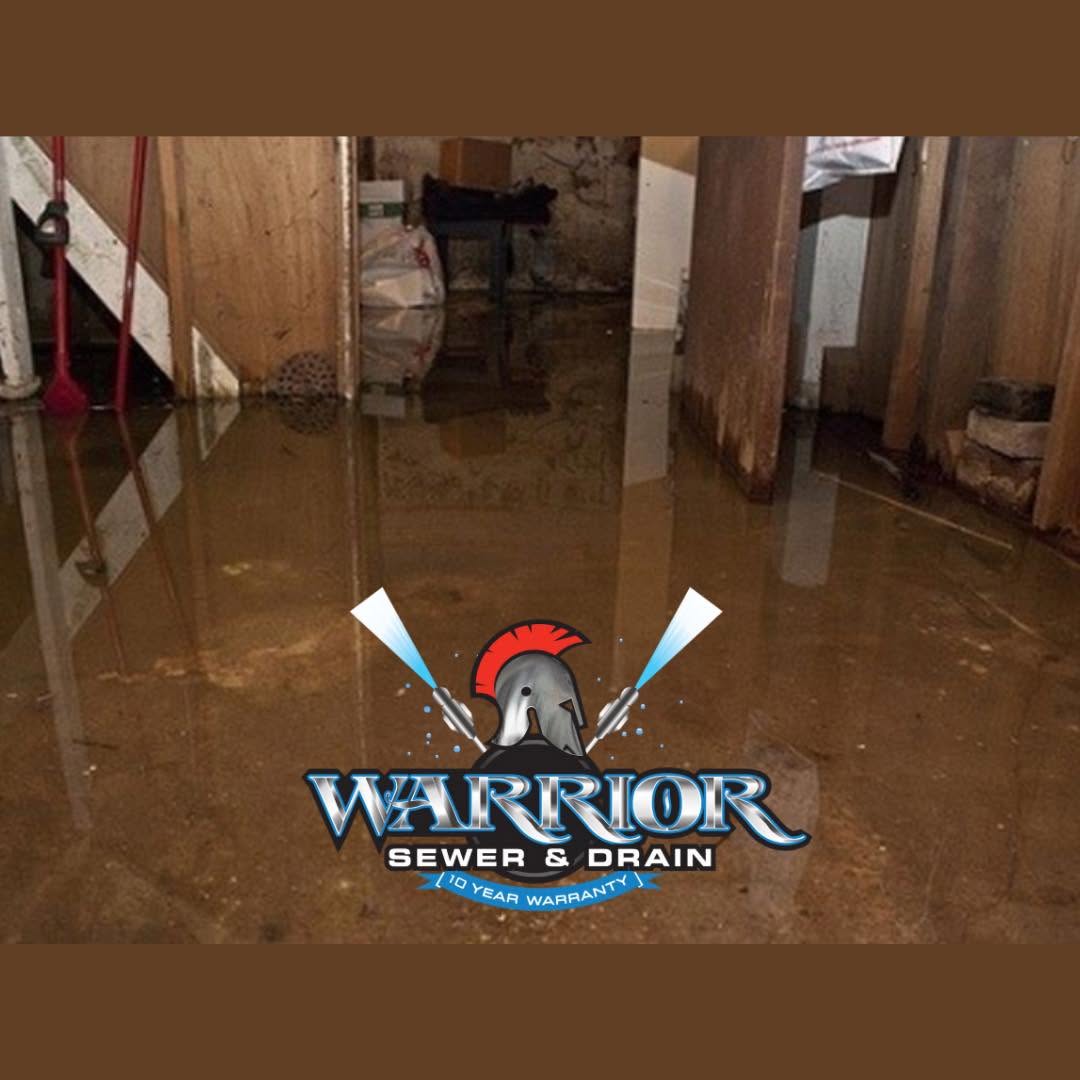
A sewer backup is one of the most stressful plumbing problems a homeowner can face. If sewage is coming up through a floor drain, shower drain, or toilet, the main sewer line is blocked, and wastewater has nowhere else to go.
In older St. Louis neighborhoods, tree roots are one of the most common causes. Roots work their way into aging clay sewer lines and grow until they block the pipe. Grease buildup, collapsed pipe sections, and offset joints from shifting soil can also cause backups.
If this happens, stop using all sinks, toilets, showers, and appliances that drain water. Continuing to use the plumbing system will only make the backup worse. Call for emergency service right away.
Burst Pipes and Active Leaks
A pipe does not have to freeze to burst. Pressure changes, corrosion, old pipe joints, ground movement, and physical damage can all cause a pipe to fail.
Homes in areas like St. Peters, Wentzville, and other parts of the metro with expansive clay soil can be especially vulnerable to pipe stress as the ground shifts.
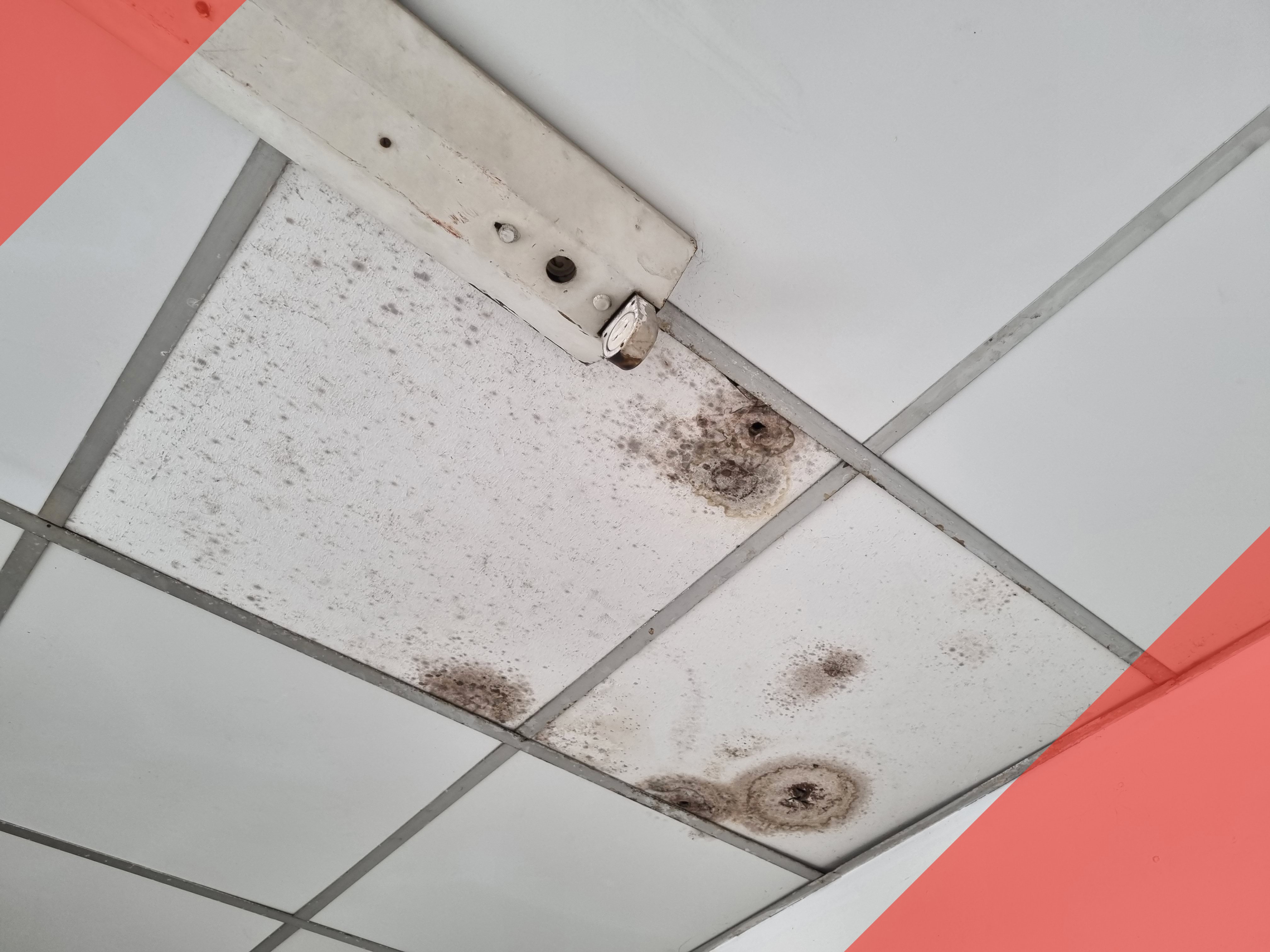
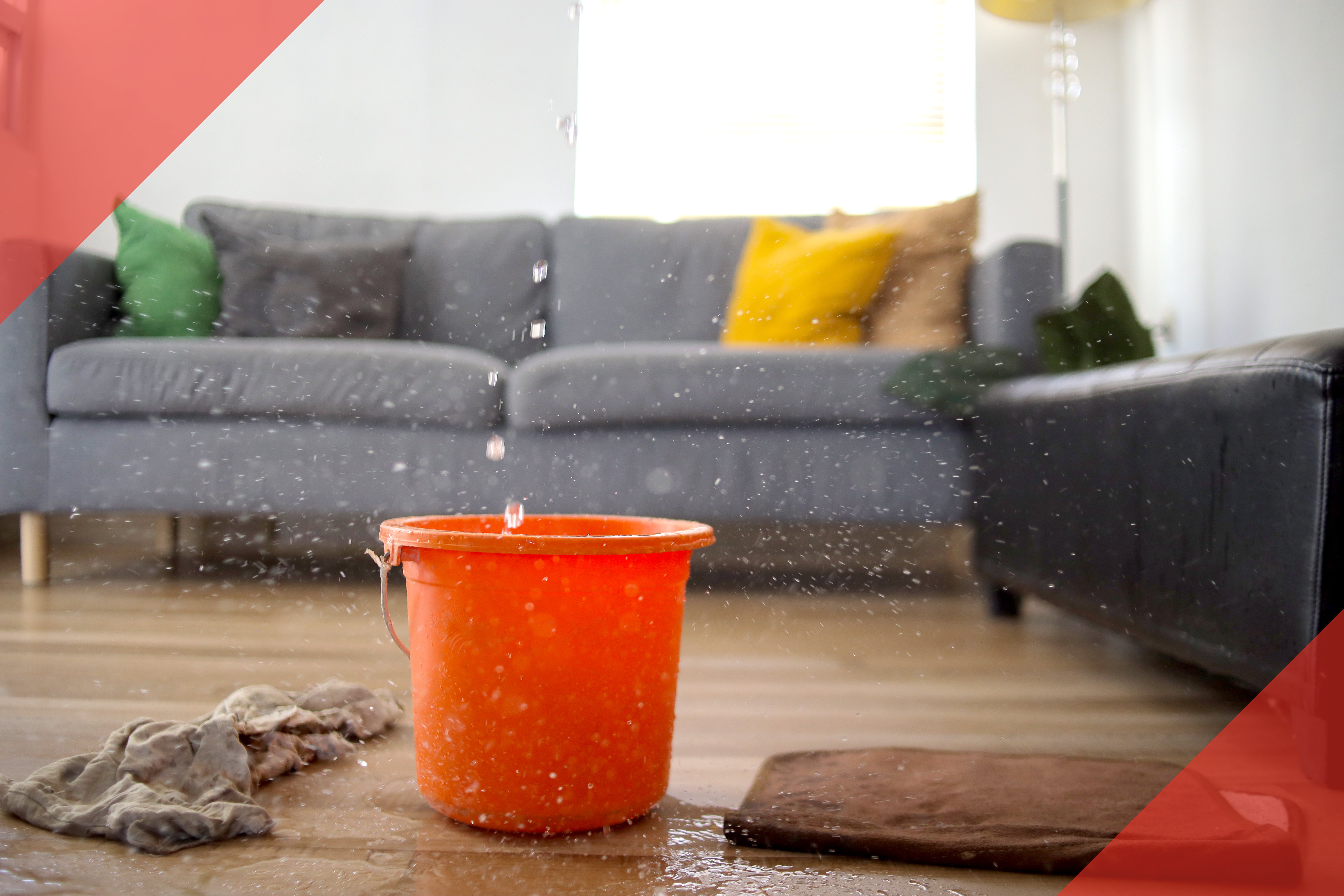
Warning signs include a sudden drop in water pressure, water stains on ceilings or walls, wet spots on floors, or the sound of running water when nothing is turned on.
If you suspect a burst pipe, shut off the main water supply first. Then call for pipe repair before the water damage spreads into flooring, drywall, insulation, or framing.
Water Heater Failures
Water heater problems are another common emergency call across the St. Louis area. A unit may stop producing hot water, leak from the base, make loud popping sounds, or produce rusty hot water.
Most tank water heaters last about 10 to 12 years. Once a unit reaches that age, failure can happen with little warning.
Pooling water around the tank, inconsistent temperatures, rumbling noises, or rust-colored water should be handled before the tank gives out completely.
We provide same-day water heater repair and replacement throughout St. Louis County and St. Charles County.
Gas Leaks
A gas leak is the one emergency where your first call should be to the gas utility.
If you smell sulfur or rotten eggs, leave the home immediately. Do not turn lights on or off, use appliances, or make a phone call from inside the building.
Once you are outside, call your gas utility’s emergency line. After the utility shuts off service and confirms the property is safe, call us for gas leak detection and repair.
Do not go back inside until the gas company gives the all-clear.
Severe Drain Clogs and Backups
One slow drain is usually a local clog. Several drains backing up at once are a bigger warning sign.
If water comes up in one fixture when another is being used, or if multiple drains are slow throughout the house, the issue may be in the main sewer line.
A basic snake may clear a temporary path through the blockage, but it does not always remove the buildup from the pipe wall. That is why some clogs keep coming back.
For recurring clogs, hydro jetting is often the better solution because it clears the full inside of the pipe instead of just punching through the blockage.
Slab Leaks
A slab leak happens when a water or drain line breaks beneath the concrete foundation of a home. These leaks can be harder to spot because they do not always cause visible flooding right away.
Signs include a sudden increase in your water bill, warm spots on the floor, the sound of running water when all fixtures are off, damp flooring, or cracks in the foundation or tile.
Slab leaks can cause structural damage and mold growth if ignored. We use detection equipment to locate the leak before opening the slab, so the repair can be targeted instead of exploratory.
What to Do During a Plumbing Emergency
For active flooding, shut off the main water supply first.
For a gas leak, leave the building and call the gas utility before calling anyone else.
For a sewer backup, stop using all plumbing until the line is cleared.
Then call Warrior Sewer and Drain at (636) 498-2686. Our emergency line is open 24 hours a day, 7 days a week. A real person answers, a licensed master plumber is dispatched, and work begins only after you approve a written estimate.
Related Topics: