How Can Flash Flooding Impact Homes in St. Louis, MO?
St. Louis gets its share of sudden downpours, the kind where two inches of rain fall in under an hour and the storm drains simply can't keep up. Any local plumbing company worth calling will tell you that flash flooding doesn't need a river to overflow to cause real damage. A dedicated plumber sees it regularly: a yard that slopes the wrong way, a clogged storm drain down the block, or a creek that rises faster than anyone expected can push water straight toward a home that has never flooded before.
Here's what that water actually does once it arrives, room by room and system by system.
Foundations Take the First Hit
Water pooling against a foundation puts pressure on it that the structure wasn't built to handle for long stretches. Over time, that pressure can force water through hairline cracks that were never a problem before, or push moisture through porous concrete block walls in older basements.
A basement with a history of getting a little damp after normal rain is exactly the kind of basement that turns into standing water once a flash flood adds enough volume and enough pressure all at once.
Basements Fill From the Bottom Up
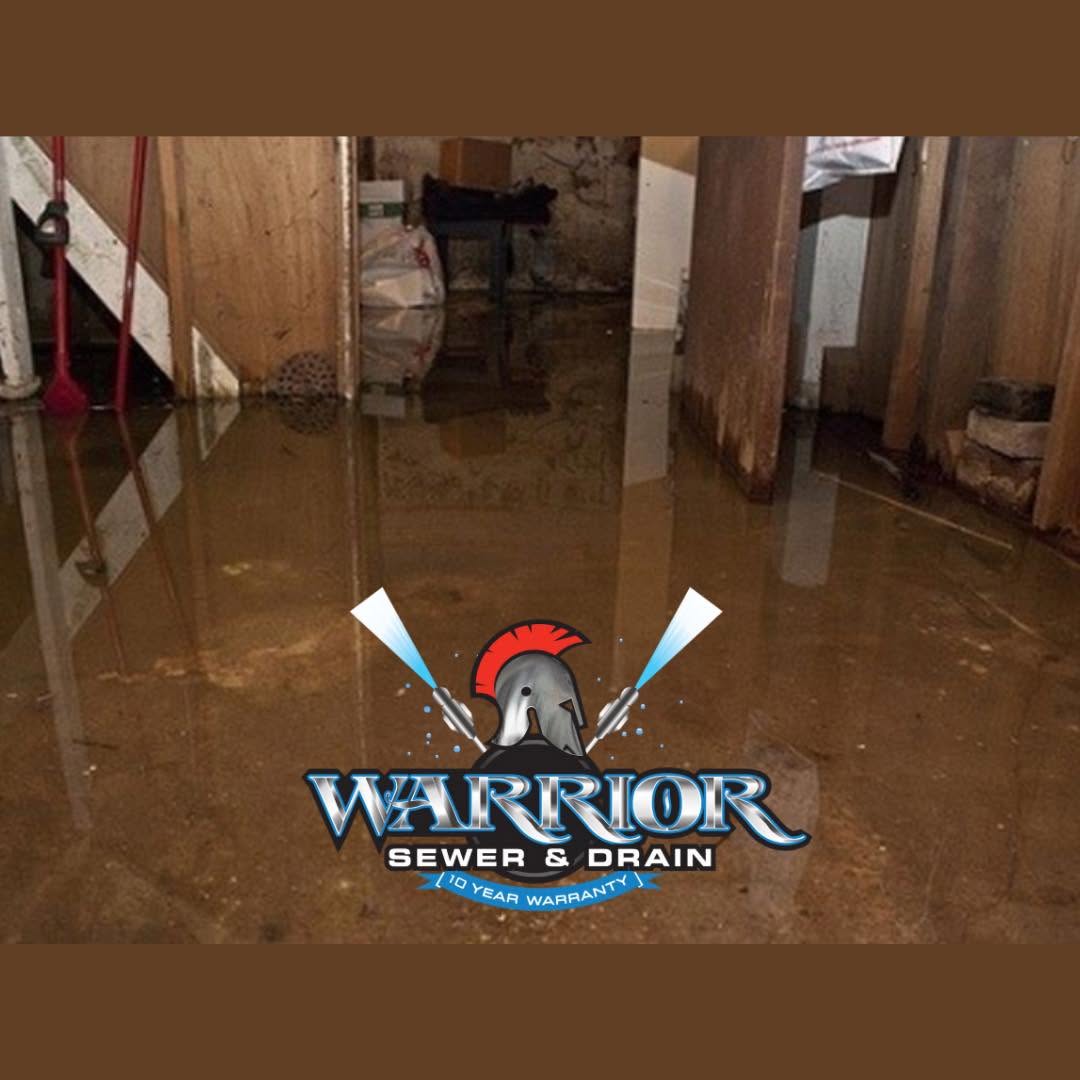
Flash flood water usually finds the lowest point in a house first, which in most St. Louis homes means the basement. Even a couple of inches across a finished basement floor can reach baseboards, drywall, and the bottom of furniture within a short window. Carpet, particle board furniture, and anything stored directly on the floor are usually the first casualties, and they're also some of the hardest things to save once they've been sitting in water for more than a few hours.
Crawl Spaces Hide Damage the Longest
A crawl space doesn't announce a flood the way a basement does. Nobody's down there checking unless something prompts them to. That means standing moisture can sit under a home for days, quietly working on wood framing, insulation, and ductwork the entire time. Most crawl space flooding gets discovered only after a musty smell finally makes its way up through the floor above it.
Sewer and Drain Systems Get Overwhelmed Too
Flash flooding isn't only rain falling directly on a property. Heavy rain can overload the municipal sewer system faster than it can move water away, and when that happens, water sometimes pushes back up through floor drains or basement fixtures inside a home instead of staying in the street where it belongs. That's a different situation than surface water coming in through a window well or a foundation crack. Water coming up through a drain can carry more than rainwater, which changes how it needs to be handled.
Electrical and Mechanical Systems Are Often the Real Cost
Here's the part homeowners tend to underestimate. The visible damage, the wet carpet, the stained drywall, usually isn't what ends up costing the most. Water reaching an electrical panel, a furnace, a water heater, or ductwork sitting low in a basement can take out systems that are expensive to replace and aren't always obvious just from looking at a wet floor. That's why a full walkthrough after any flash flood matters, not just a glance at whatever's visibly soaked.
What This Means for a St. Louis Homeowner
None of this is meant to make a normal rainstorm feel like a threat. Most homes handle typical rain without any issue. Flash flooding is a different animal, since it delivers a large volume of water in a short amount of time, often faster than a yard's grading or a home's drainage was ever designed to move it. Knowing which parts of a home take the hit first, the foundation, the basement, the crawl space, and the mechanical systems tucked into all of them, makes it a lot easier to know exactly where to check after the next big storm rolls through.
If flooding has already reached your home, our team handles water damage restoration across St. Louis and St. Charles County, and we're glad to walk you through what we're seeing and what it will take to dry it out properly.
Related Topics:
- What Should You Do After Storm Damage Causes Water Intrusion in St. Louis, MO?
- Why Is Fast Emergency Response Important for Water Damage in St. Louis, MO?