What Are the Risks of Standing Water Inside a Home in St. Louis, MO?
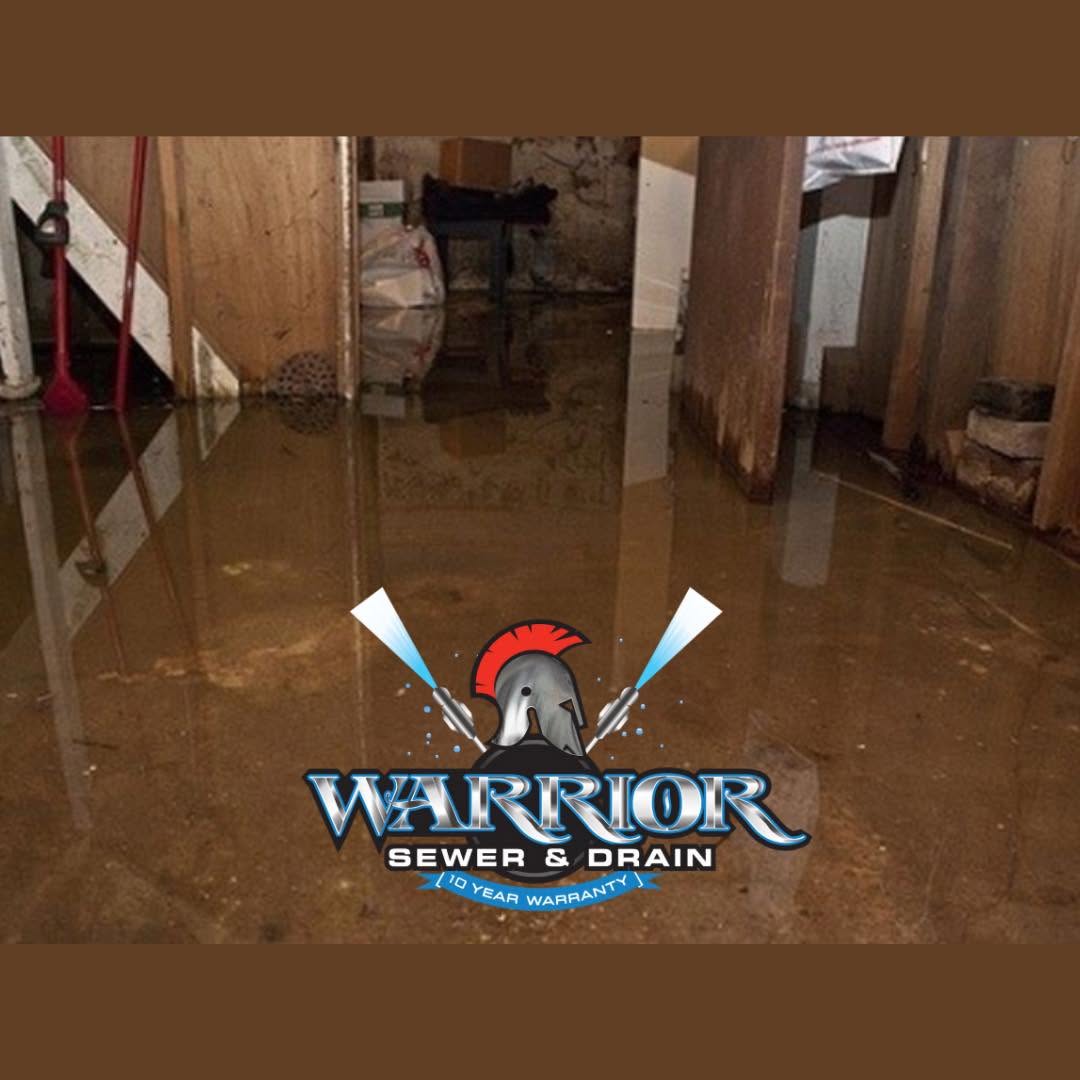
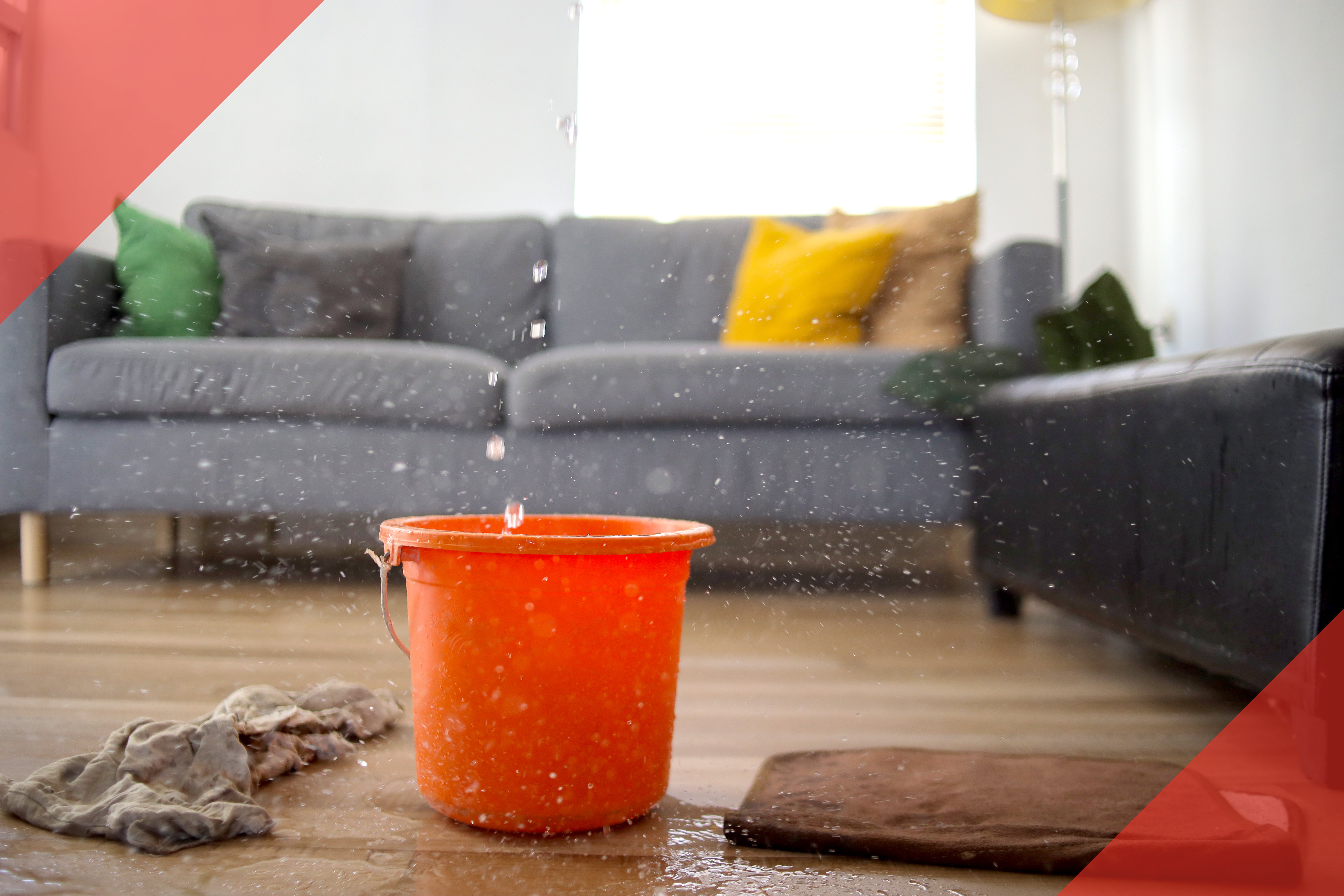
Not all water damage looks dramatic. Sometimes it takes established plumbing services to catch what most homeowners overlook, like a couple of inches sitting quietly in a basement corner after a heavy rain, easy to walk past if you're not paying close attention. Any experienced, friendly plumber will tell you that standing water rarely stays contained to where it landed. The longer it sits, the more surfaces it reaches.
It Doesn't Stay Where It Started
Water finds the path of least resistance. Once it's on a floor, it wicks sideways into baseboards, up into drywall through capillary action, and under flooring through seams and edges you'd never notice by looking. A puddle that looks limited to one corner of a basement can already be soaking into the drywall six feet away by the time anyone spots it.
Materials Absorb at Different Speeds
Carpet and carpet padding soak up water almost immediately and hold onto it, which is why padding usually needs to be pulled out rather than dried in place. Drywall wicks water upward from the bottom edge, sometimes a foot or more, long before any staining shows up on the surface. Wood flooring swells and can cup or buckle within a day or two of sitting in water, and once that happens, drying it out doesn't always bring it back to flat.
Knowing which materials fail fast and which ones give a little more time is a big part of deciding what needs attention first.
Mold Doesn't Need Much Time or Much Water
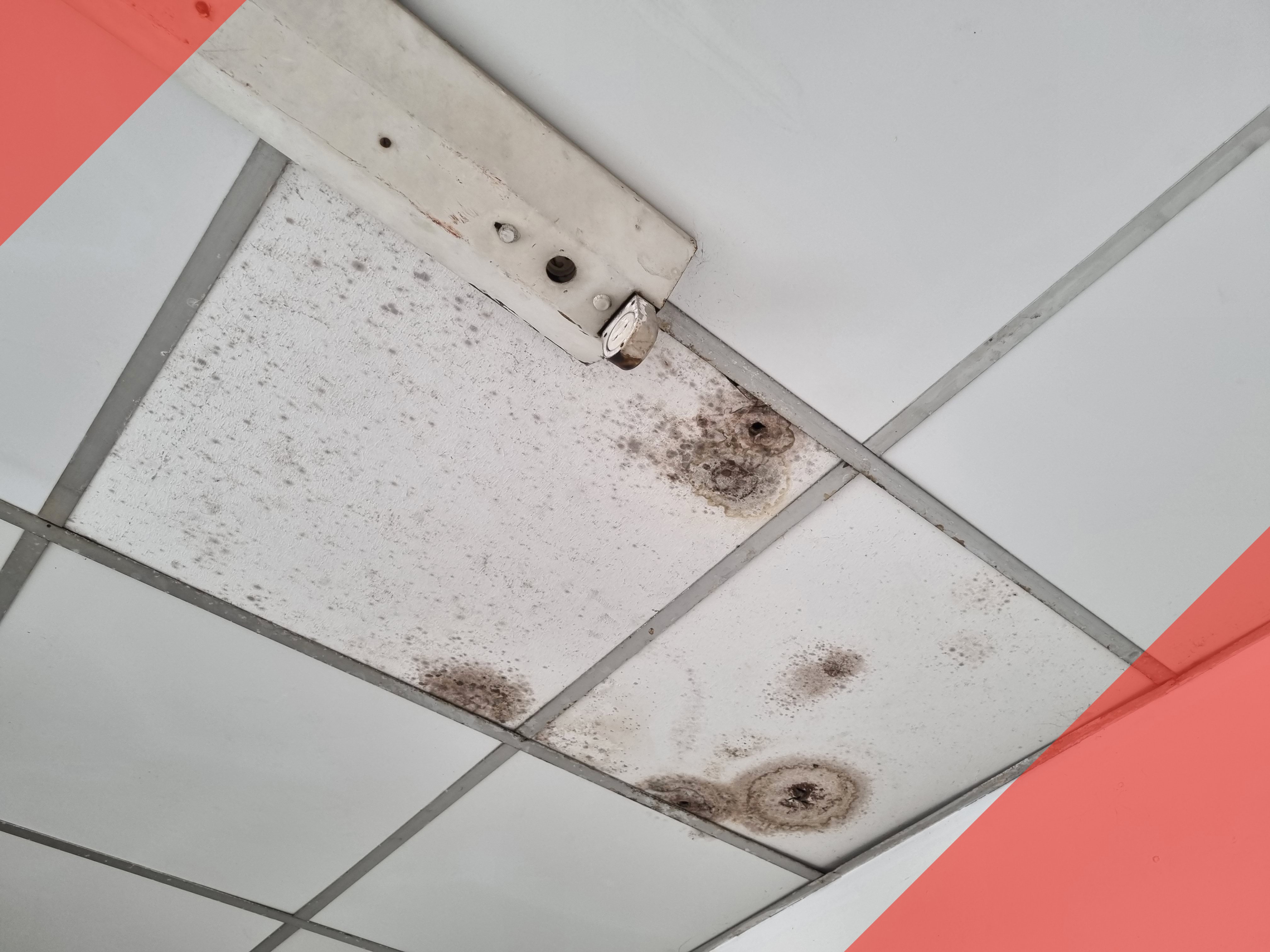
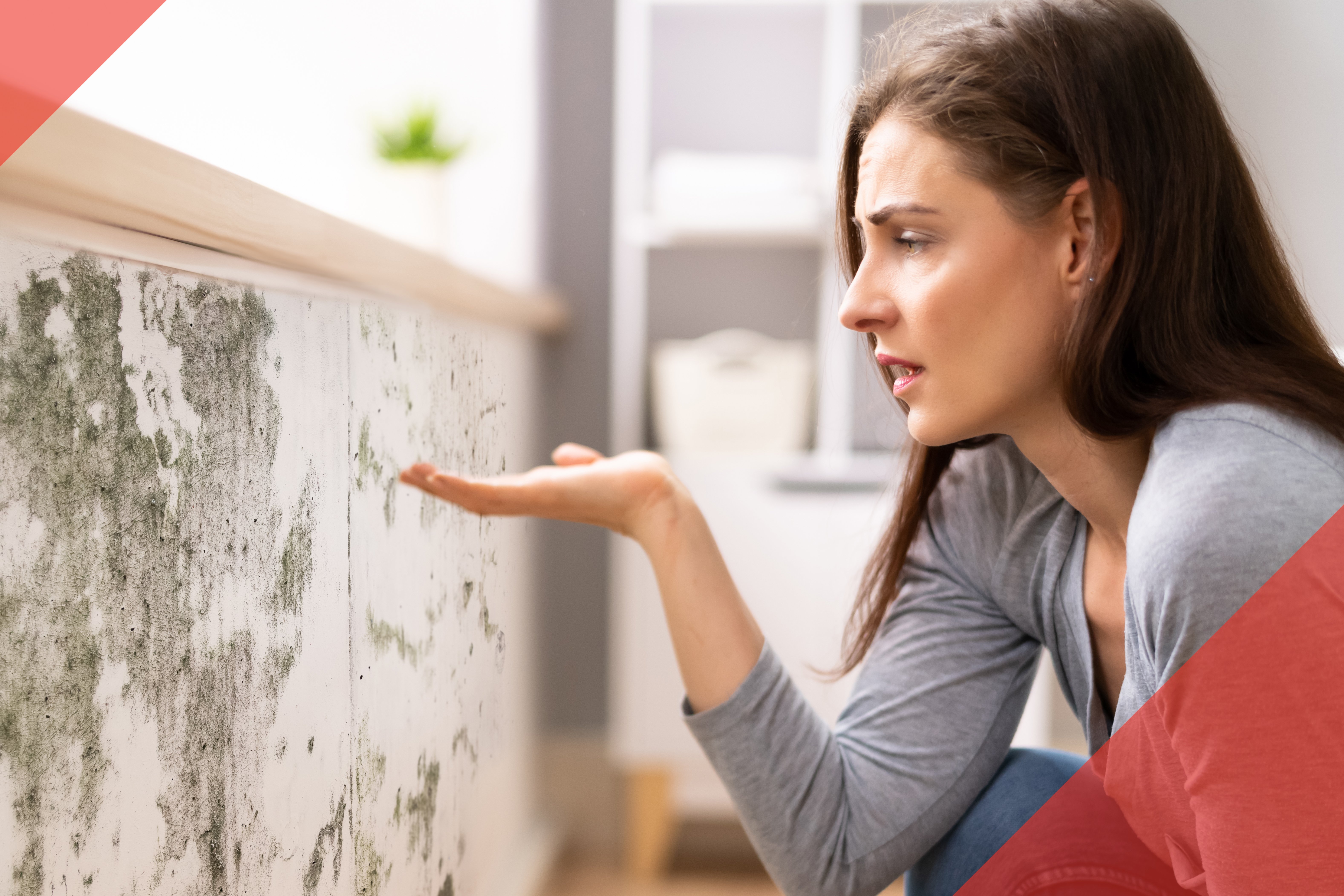
A small amount of standing water combined with a little warmth is enough for mold to start setting up, often within a day or two under the right conditions. It doesn't take a flooded room. A damp corner behind furniture. A wet baseboard that never fully dried. Water trapped quietly under carpet padding. All of these are common spots where mold gets going before anyone notices a smell.
Electrical Hazards Are Easy to Underestimate
Standing water anywhere near outlets, extension cords, or a breaker panel is a genuine safety risk, not just a cleanup inconvenience. Water conducts electricity, and a wet floor near a plugged in appliance is not something to walk through to grab a mop.
If there's water anywhere near an electrical source, the safer move is shutting off power to that area at the breaker, if it can be reached without stepping in water, before doing anything else at all.
Odors Are a Sign, Not Just an Annoyance
A musty smell after a wet spell isn't just unpleasant. It's usually a sign that moisture is still trapped somewhere air alone hasn't reached, whether that's under flooring, inside a wall cavity, or in insulation that never fully dried out.
If that smell sticks around after the visible water is gone and surfaces feel dry to the touch, there's often more moisture hiding than what's visible on the surface.
Why Fast Drying Matters More Than Fast Mopping
Removing the water you can see is only the first step. Real drying means pulling moisture out of the materials that absorbed it, the drywall, the subfloor, the framing behind the wall, not just the surface. That's the real difference between a fan running in a basement for a couple of days and commercial drying equipment placed and monitored until moisture readings actually confirm the area is dry. A floor can look and feel completely dry within hours while the wall directly behind it is still holding water.
Our team handles jobs like this across the St. Louis metro and St. Charles County, and we always start with a straightforward look at what's actually wet, not just what's visible, before quoting anything in writing.
Related Topics:
- How Can Flash Flooding Impact Homes in St. Louis, MO?
- What Should You Do After Storm Damage Causes Water Intrusion in St. Louis, MO?