How Can HVAC Systems Contribute to Water Damage in St. Louis, MO?
Most homeowners assume water damage always traces back to a plumbing problem, but the reality is a little more complicated. Even an experienced plumber will tell you that pipes are only part of the story, since heating and cooling systems move a surprising amount of water through condensation, drainage, and humidity control. When any part of that process breaks down, the result can look almost like a plumbing leak, even though the pipes had nothing to do with it.
Our team handles water damage restoration across St. Louis and St. Charles County, and we see HVAC related water events more often than people expect, particularly during the hottest and most humid stretches of a Missouri summer.
Condensate Line Clogs and Overflow
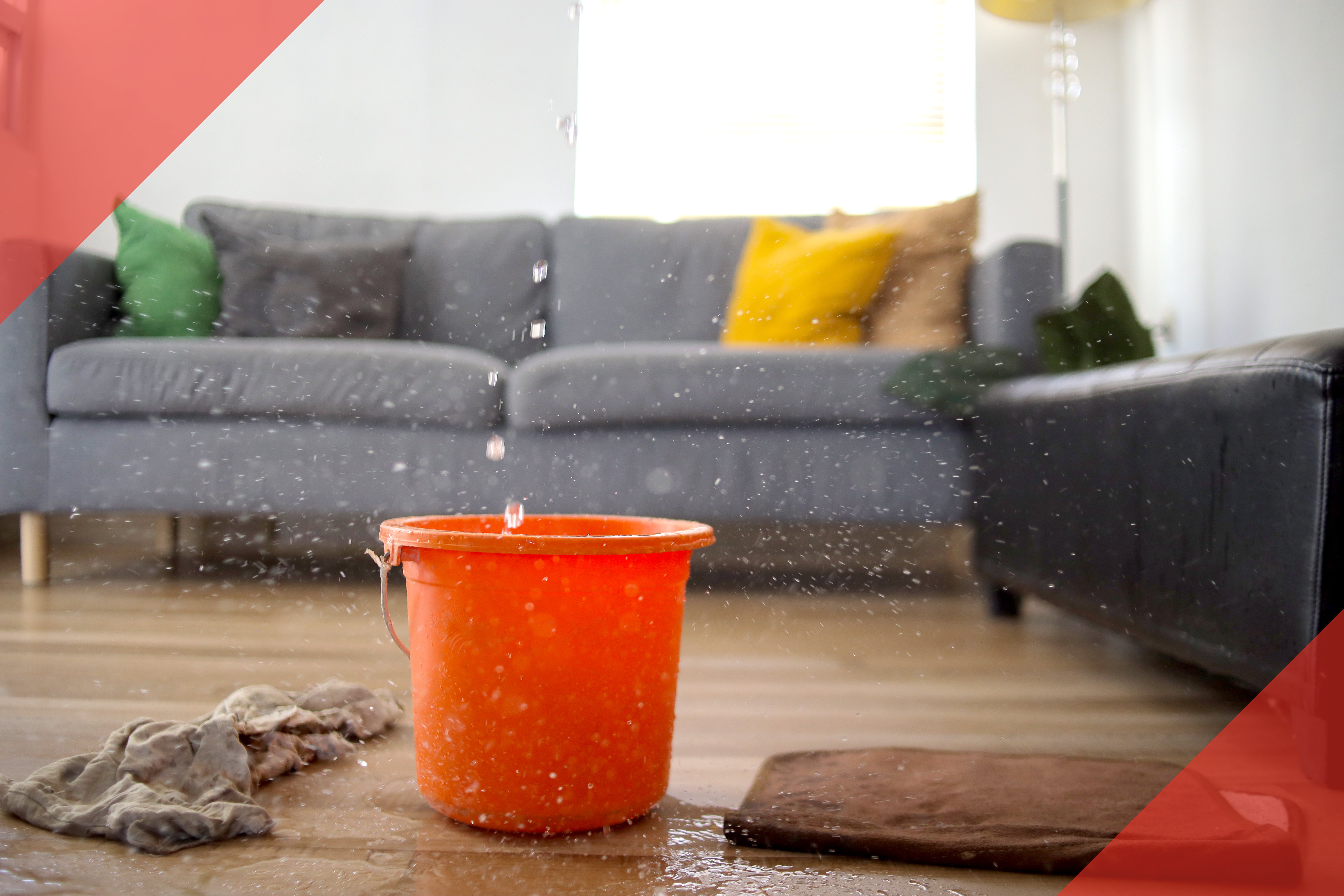
Central air conditioning systems pull moisture out of the air as part of the cooling process, and that water has to drain out through a condensate line. Over time, algae, dust, and debris build up inside that line and slow the flow to a trickle, or block it completely. Once the line is blocked, water backs up into the drain pan and eventually overflows onto the floor, into a ceiling, or wherever the system happens to be located, creating exactly the kind of risks of standing water inside a home that can escalate quickly if left unaddressed.
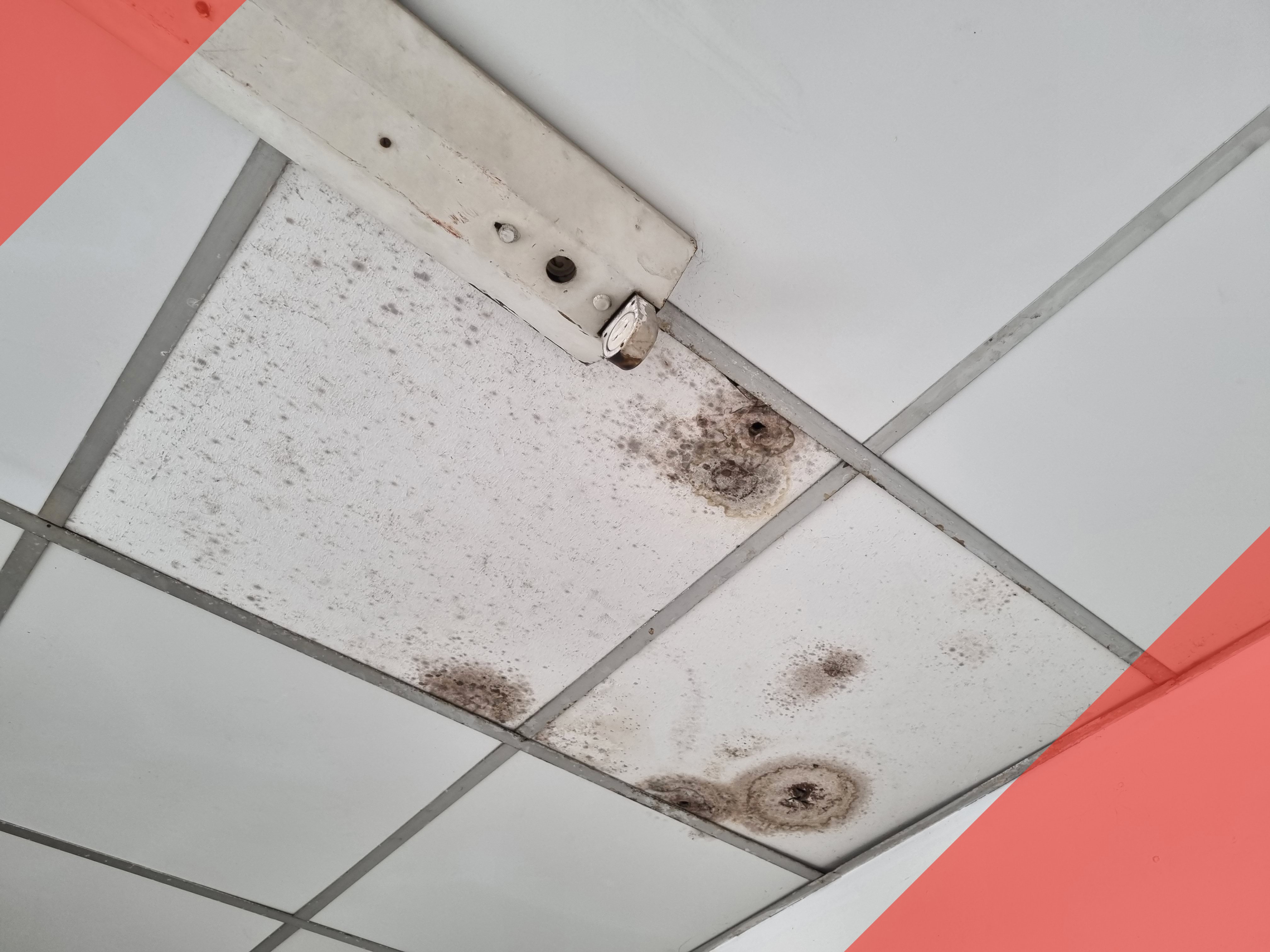
In homes with the air handler in an attic or upper closet, this overflow often shows up as a stain on a ceiling below before anyone realizes the condensate line is the actual source. A clogged line is one of the easiest problems to prevent with routine maintenance, yet it remains one of the most common causes of HVAC related water damage we see in this region.
Frozen Coils That Melt and Flood
When an air conditioner runs with low refrigerant, a dirty filter, or restricted airflow, the evaporator coil can ice over instead of simply cooling the air. The system keeps running, the ice keeps building, and once the unit shuts off or a homeowner notices something is wrong and turns it off, that buildup melts all at once.
A frozen coil that melts can release far more water than a typical condensate line ever would, often faster than a drain pan or line was ever designed to handle. This is one of the reasons an air conditioner blowing warm air or making unusual noise deserves attention right away, since ignoring it can turn a simple refrigerant or airflow issue into a genuine water event inside your home.
Poor Drainage Pan Maintenance

The primary and secondary drain pans sitting under your air handler have one job: catch water if the main condensate line ever fails. It's a small piece of equipment that does a lot of quiet, unglamorous work, and it's part of why staying on top of drain cleaning matters so much for homeowners.
Over time, though, these pans wear down. Rust eats through the metal, hairline cracks form, or tiny holes open up that let water slip right through instead of draining where it's supposed to. The tricky part is that a pan can look perfectly fine from the outside while it's already failing underneath.
Since these pans are usually tucked above living space or above a finished basement ceiling, you often don't find out something's wrong until water has already made its way through the drywall or soaked into insulation below.
That's the frustrating reality of hidden components like this. Having someone check both pans during a routine visit, alongside the rest of your home's plumbing, is such a small step, but it's the difference between catching a minor issue early and dealing with a repair job that spreads well beyond the unit itself.
Ductwork Leaks and Hidden Moisture
Ductwork that runs through unconditioned spaces, like attics or crawl spaces, is prone to condensation when warm, humid air meets a cold duct surface. Over time, that condensation can soak into surrounding insulation and building materials, creating the kind of hidden moisture problem that does not show up as an obvious leak but still causes real damage.
Gaps in duct sealing, disconnected sections, or damaged insulation around ductwork all make this worse, since more warm air comes into contact with cold metal or plastic. This type of damage tends to be slow and easy to overlook, which makes it one of the sneakier ways an HVAC system can contribute to a moisture problem inside a home.
Humidity Control Failures and Long-Term Damage
An HVAC system that is undersized, poorly maintained, or simply working too hard can struggle to control humidity properly, even if it never leaks a drop of water directly. Persistent high humidity inside a home creates the kind of damp environment where wood swells, drywall softens, and mold has an easier time taking hold, all without a single visible leak ever occurring.
This kind of damage builds slowly, which is part of what makes it dangerous. A home can go months with higher than normal indoor humidity before anyone connects it back to the HVAC system rather than assuming it is simply a seasonal issue. Our team sees this a lot in older homes across the area, and addressing the root cause, whether that is an undersized unit or a maintenance gap, prevents the kind of gradual damage that is much harder to reverse once it sets in.
Catching HVAC Related Leaks Before They Spread
Because HVAC related water damage often starts small and hidden, catching it early usually comes down to paying attention to small warning signs, like a musty smell near a vent, a slow ceiling stain, or a system that seems to be running longer than it used to. Any of these are worth a closer look before they turn into a bigger repair.
When we get called out for water damage that traces back to an HVAC system, our first step is always finding the actual source rather than just drying up what is visible. From there, we handle the drying, repair, and any leak detection needed to confirm the problem will not simply come back once the drywall is patched and repainted.
Related Topics:
- What Causes Water Damage in Commercial Buildings in St. Louis, MO?
- What Should You Do If Your Water Heater Leaks in St. Louis, MO?