Why Is Mold Prevention Part of Water Damage Restoration in St. Louis, MO?
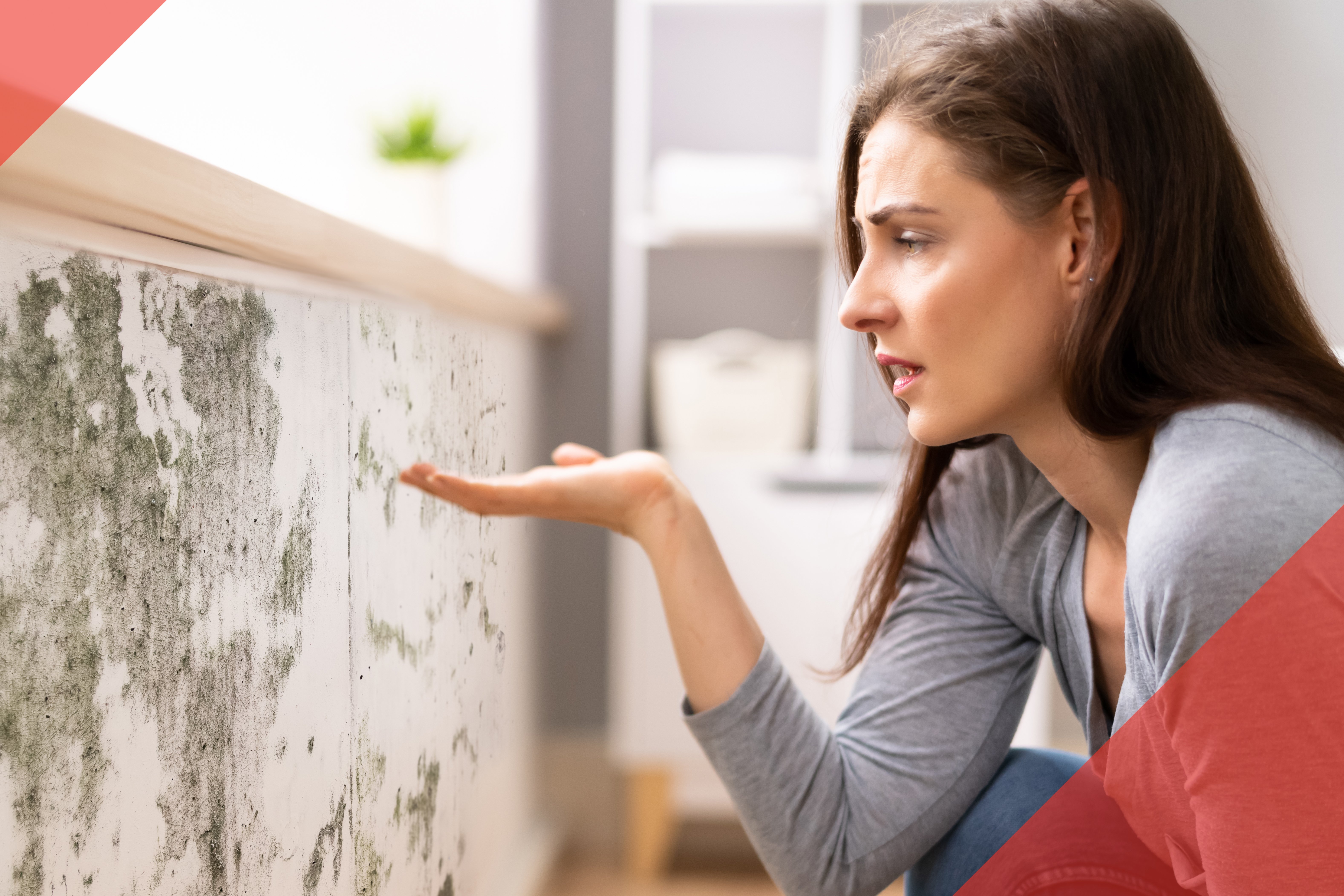
Mopping up a wet floor or patching a damaged ceiling might feel like the last step after water damage, but the job isn't finished there. Mold only needs moisture, warmth, and a little time to settle in, and a home that just went through a leak or flood gives it plenty of all three. That's why homeowners who call a reliable plumber in St. Louis, MO to stop the source of a leak still need a restoration crew that thinks past the repair itself.
Our team builds mold prevention into every water damage restoration job we handle across St. Louis and St. Charles County, since skipping that step is one of the most common reasons a small water problem turns into something far worse months later.
How Fast Mold Can Take Hold After Water Damage
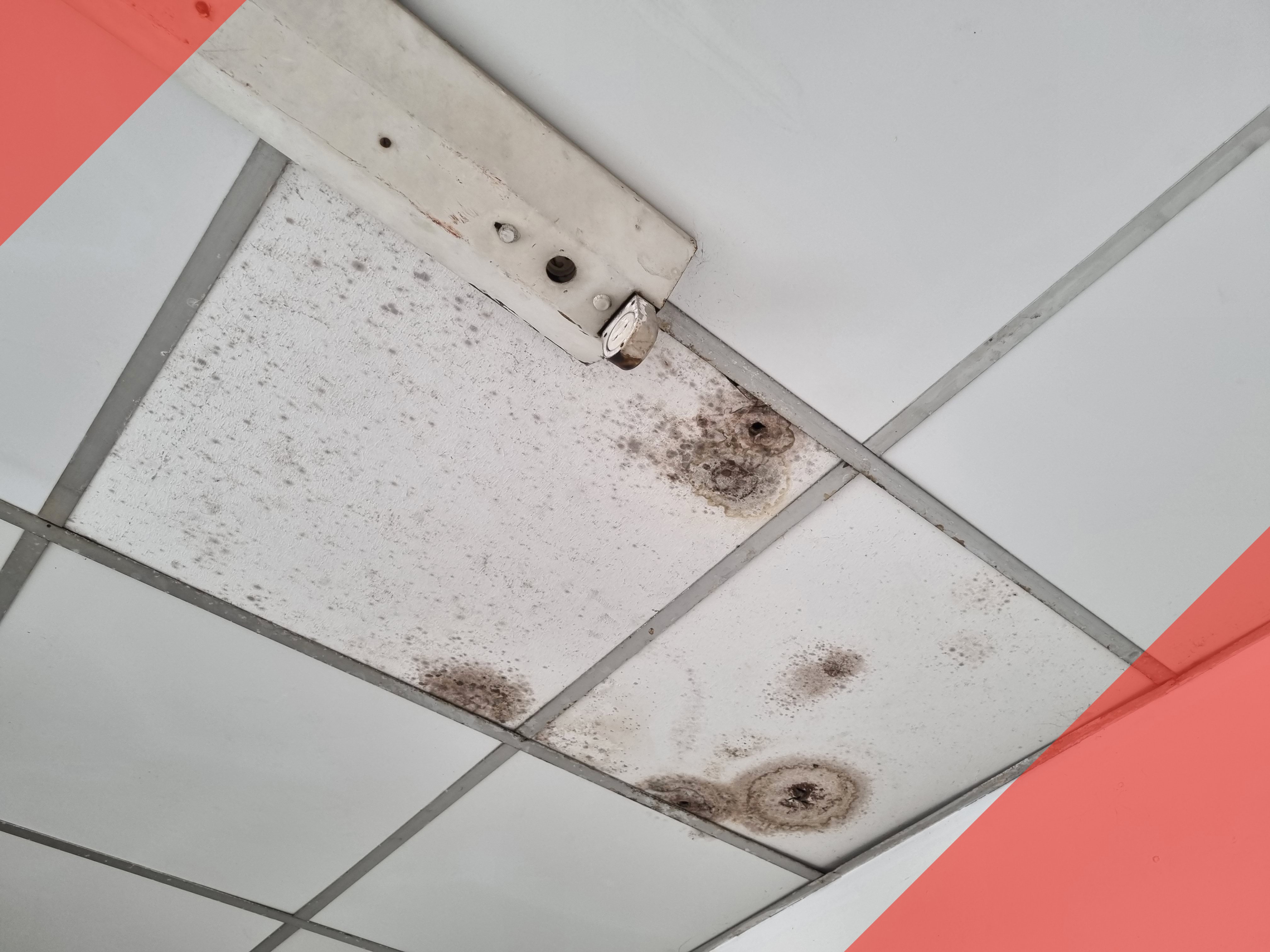
Mold spores are present in nearly every home already, floating in the air in small, harmless amounts. The moment those spores land on a damp surface with the right temperature, they can begin growing within twenty four to forty eight hours. That is a narrow window, and it is exactly why the speed of a restoration response matters as much as the quality of the work itself.
Once mold establishes itself, it does not stay confined to the original wet spot. It spreads across surfaces and releases spores into the air, which can settle in other parts of a home that were never touched by the original water. This is part of why a fast response after any leak, backup, or flood makes such a difference in how much of a home ultimately needs treatment.
Drying and Dehumidification as the First Defense
The single most effective way to prevent mold after water damage is thorough, verified drying, not just running a few fans and hoping for the best. Industrial air movers and dehumidifiers pull moisture out of the air and out of building materials far faster than natural airflow ever could, shrinking the window mold has to establish itself.
Moisture meters play a key role here as well, since they confirm whether a wall, subfloor, or piece of framing has actually reached a safe moisture level rather than just feeling dry to the touch on the surface. Materials can appear dry within a day while remaining saturated underneath, which is exactly the kind of situation that leads to hidden mold growth weeks later if it is not caught.
Where Mold Hides After a Leak or Flood
Mold rarely grows in the most visible spots. It tends to develop behind baseboards, under carpet padding, inside wall cavities, and beneath cabinets where airflow is limited and moisture lingers longest. These are also the areas most likely to get overlooked during a quick cleanup that focuses only on what is immediately visible.
Because of this, a proper restoration process includes checking these hidden areas rather than assuming that a dry looking floor means the job is finished. Pulling back a section of baseboard or lifting a corner of flooring to check underneath can reveal a very different picture than what appears on the surface, and catching that early is far less disruptive than dealing with an established mold problem later.

Cleaning and Treating Affected Materials
Once a space has dried out completely, the next challenge is dealing with anything that came into contact with contaminated water or lingering dampness, and in many cases, the root cause traces back to a drain cleaning issue that went unnoticed for too long. Materials that soak up moisture, such as drywall, insulation, and carpet padding, tend to hold onto that dampness far longer than they let on.
Once they've stayed wet for an extended stretch, drying them in place usually isn't enough. More often than not, these porous materials need to be pulled out entirely, since mold can keep growing inside them long after the surface looks dry and fine.
Surfaces that don't absorb water, on the other hand, can typically be scrubbed down and treated with antimicrobial solutions made to keep any lingering mold spores from taking hold and spreading further. This step forms a central part of any remediation project involving contaminated water, and knowing which materials can be salvaged versus which ones need to go, then handling each one correctly, is often what sets a thorough restoration job apart from a quick, surface level fix.
Monitoring a Property After Restoration
Mold prevention does not end the day the drying equipment gets packed up. A property that experienced significant water damage benefits from a follow up check to confirm humidity levels have stabilized and no new growth has appeared in the areas that were affected. This is especially true in basements and other spaces where natural airflow is already limited.
Simple habits help here too, such as keeping an eye on indoor humidity levels and addressing any new leaks quickly rather than letting them sit. A quick leak detection check is a reasonable step if a musty smell or a damp spot ever returns. A home that has been through a water event is not necessarily more prone to future mold, but it does benefit from a bit more attention during the months that follow, particularly in the areas that took on water the first time.
Why Mold Prevention Cannot Be an Afterthought
Treating mold prevention as a separate step that happens only if a problem shows up later is a mistake we see too often, usually from cleanup jobs that stopped at drying visible surfaces. By the time visible mold appears, it typically means growth has already been developing for a while out of sight.
Building mold prevention into the restoration process from the very first visit, rather than treating it as an extra step, is what keeps a water damaged home from turning into a long-term problem. It is a big part of why our team approaches every restoration call as more than a drying job, and treats the full picture of a property's recovery as the actual goal.
Related Topics:
- Can Water Damage Affect Indoor Air Quality in St. Louis, MO?
- How Can HVAC Systems Contribute to Water Damage in St. Louis, MO?