What Causes Water Damage in Commercial Buildings in St. Louis, MO?
Commercial buildings deal with water problems in ways most homeowners never have to consider. Between larger plumbing systems, heavier daily use, and equipment that runs nonstop, there are simply more points where something can go wrong on one property.
As a dependable plumber handling commercial work across St. Charles County and the greater St. Louis metro, we keep seeing the same handful of causes show up again and again, and knowing what they are makes it easier for a property owner or manager to catch a problem before it turns into a real loss.
Aging Plumbing and Pipe Failures Behind Walls
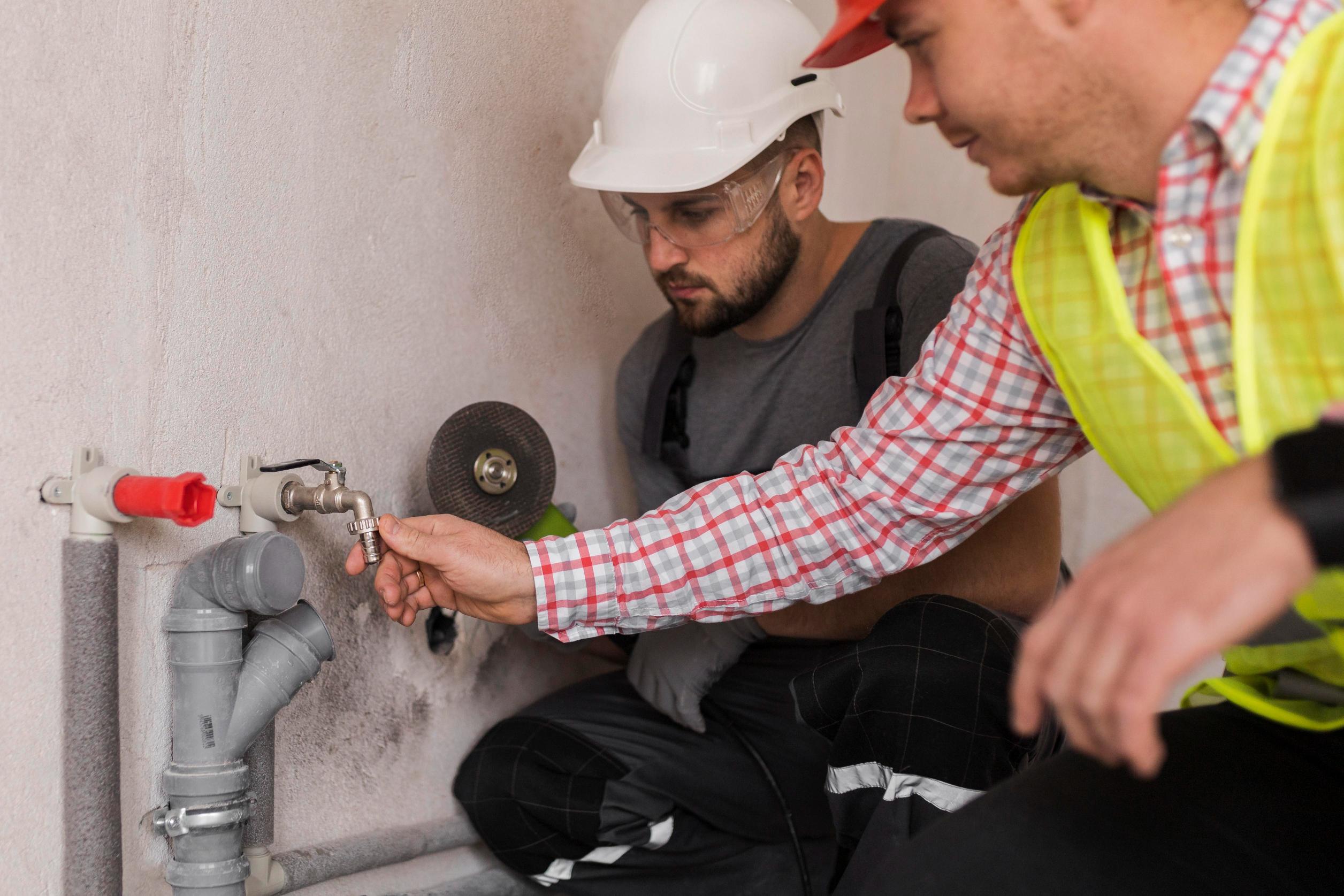
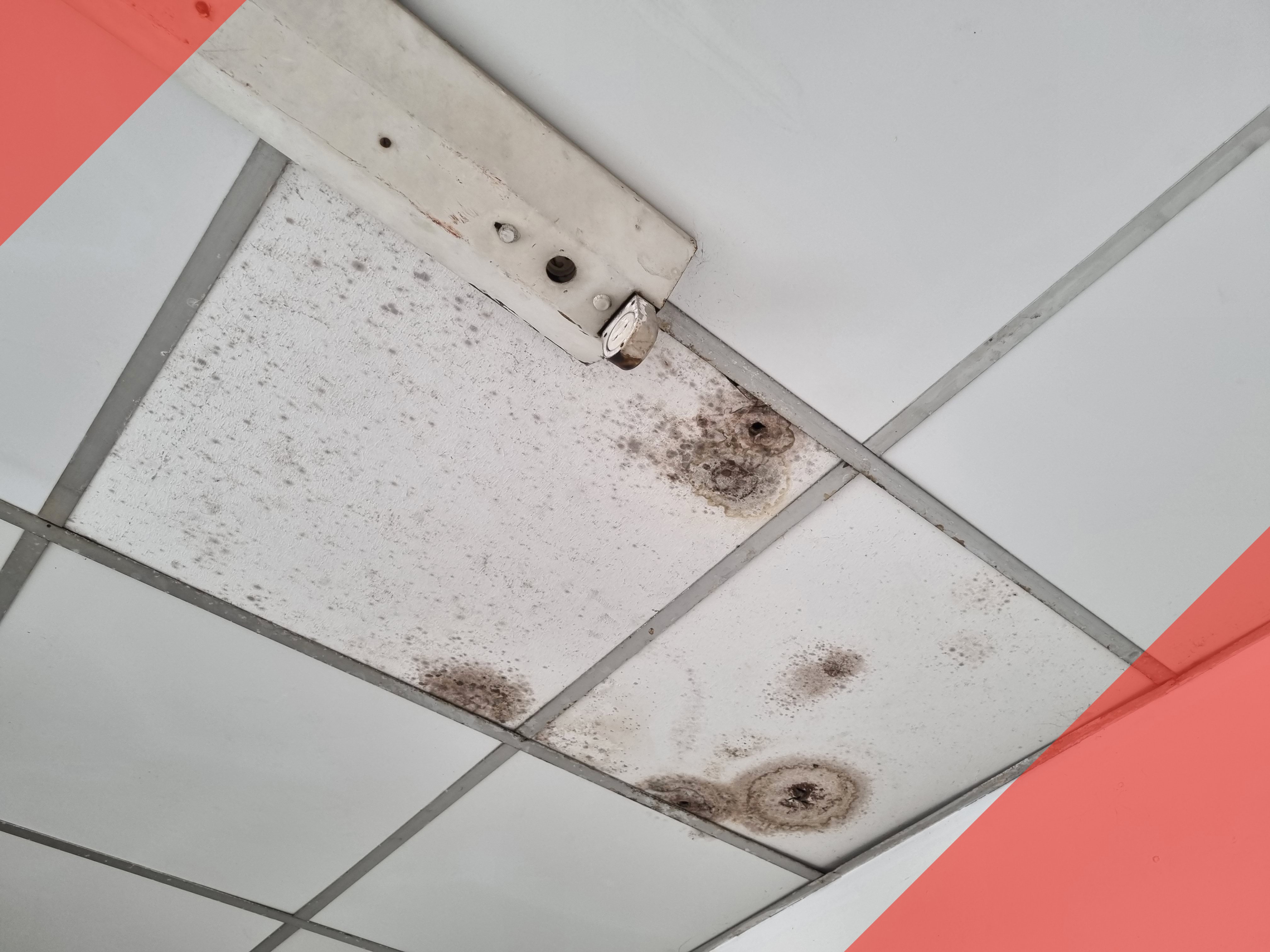
A lot of commercial buildings in this area were built decades ago, and the plumbing inside them has aged right along with the structure. Galvanized steel and old cast iron piping corrode from the inside out over time, and once a pipe wall thins enough, it fails without much warning. Because so much of a commercial plumbing system runs behind walls, above ceilings, or under slab, a failure can go unnoticed for hours before anyone spots standing water or a stain spreading across a ceiling tile.
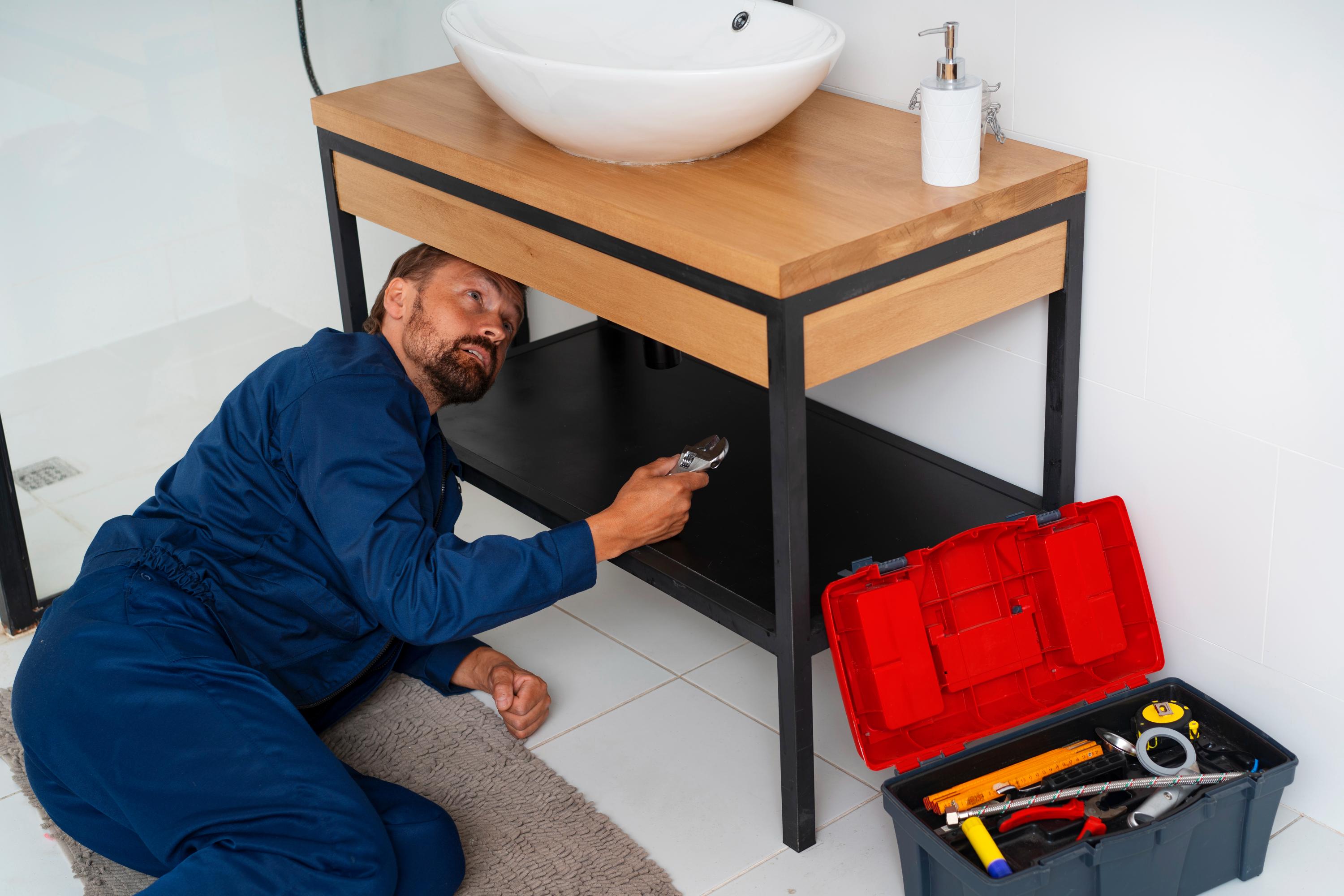
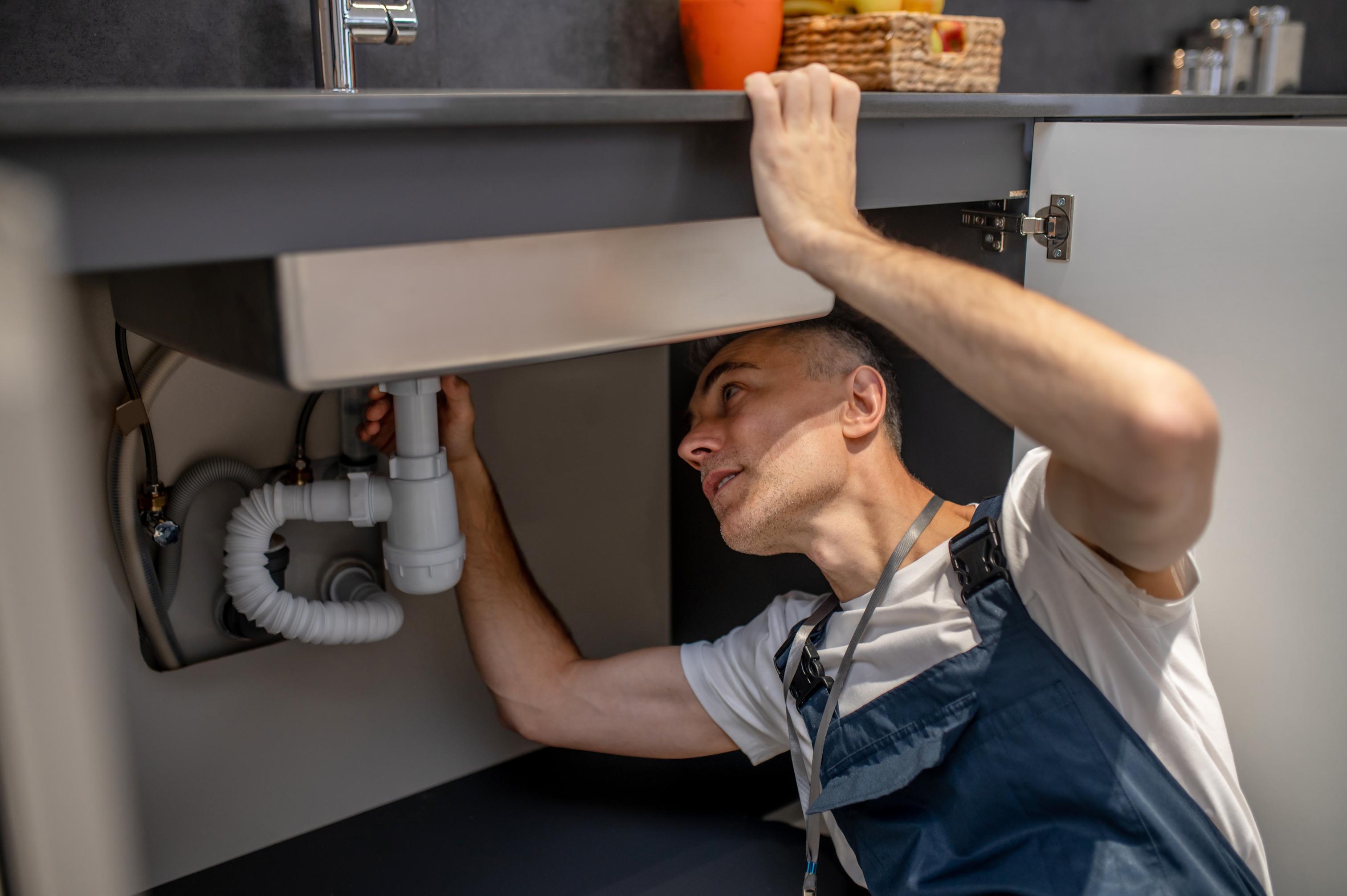
Pipe joints under sinks, behind restroom walls, and near mechanical rooms are common failure points, especially where the original fittings were never upgraded during a renovation. We often find that a property has had small, slow leaks in these spots for months before a full failure gets someone's attention. Routine inspection of these areas, particularly in older buildings, catches problems while they are still cheap to fix.
Roof and Foundation Leaks in Commercial Properties
Commercial buildings often rely on flat or low-slope roofing, and that design comes with a downside: standing water tends to pool where a sloped residential roof would simply shed it. This is where reliable drain services matter most, since a membrane doesn't need much damage to cause trouble. A small tear or a seam pulling apart is enough to let water sneak in every time it rains, and that water rarely stays put. It often travels along a beam or a duct, then surfaces as a stain nowhere near where the leak actually started, leaving property owners chasing the wrong spot for the real problem.
Foundations run into a version of the same trouble, just from below instead of above. Ground that slopes the wrong way, exterior drains clogged with debris, or hairline cracks in a foundation wall can all give groundwater a path into basements, mechanical rooms, and storage spaces. These leaks rarely announce themselves.
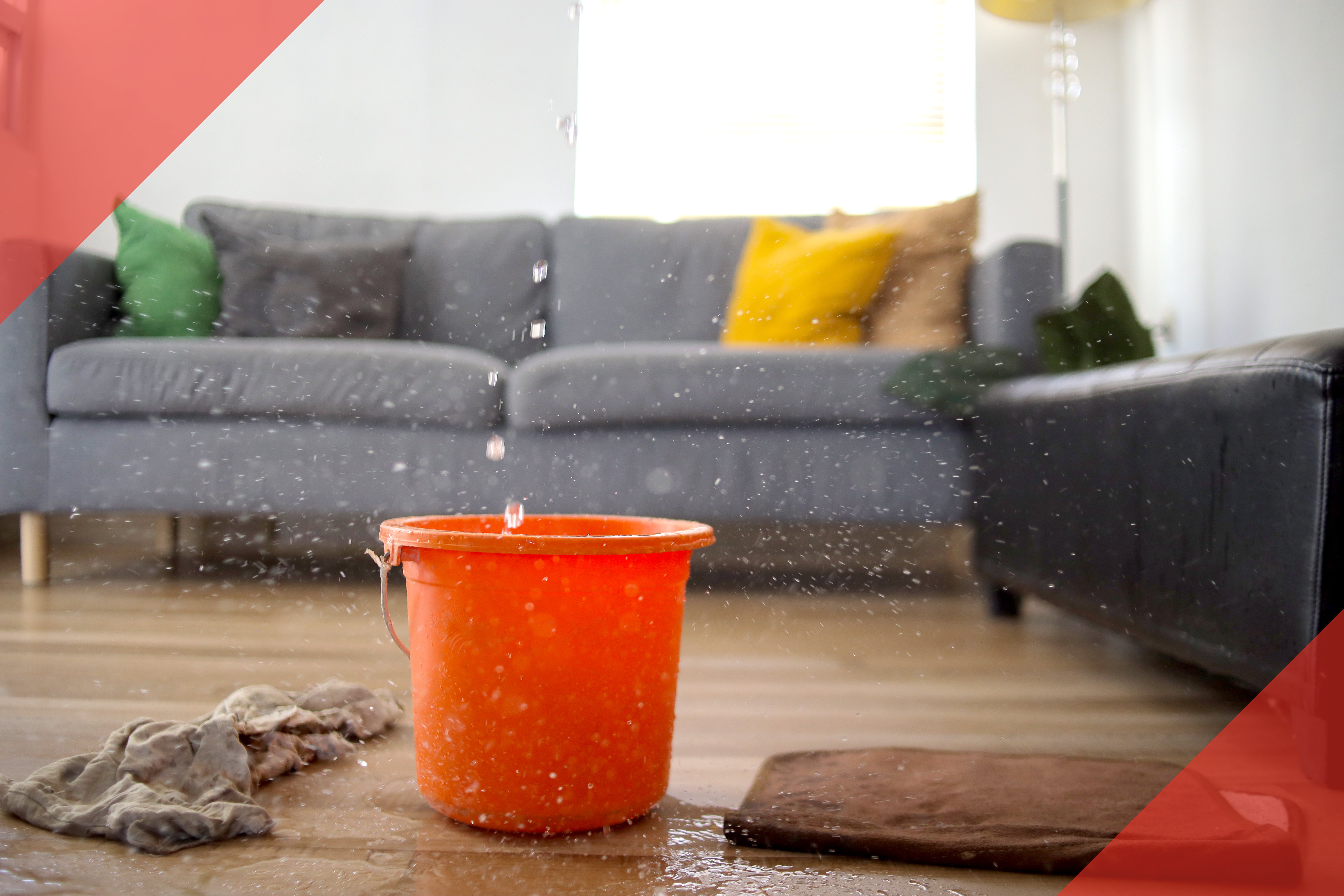
They creep in slowly, and because the damage looks minor at first glance, people tend to brush it off. That's exactly how a small drip turns into a bigger, costlier headache, one that usually doesn't get taken seriously until flooring starts warping or drywall begins to crumble.
Sewer Backups in Restaurants and Multi-Tenant Buildings
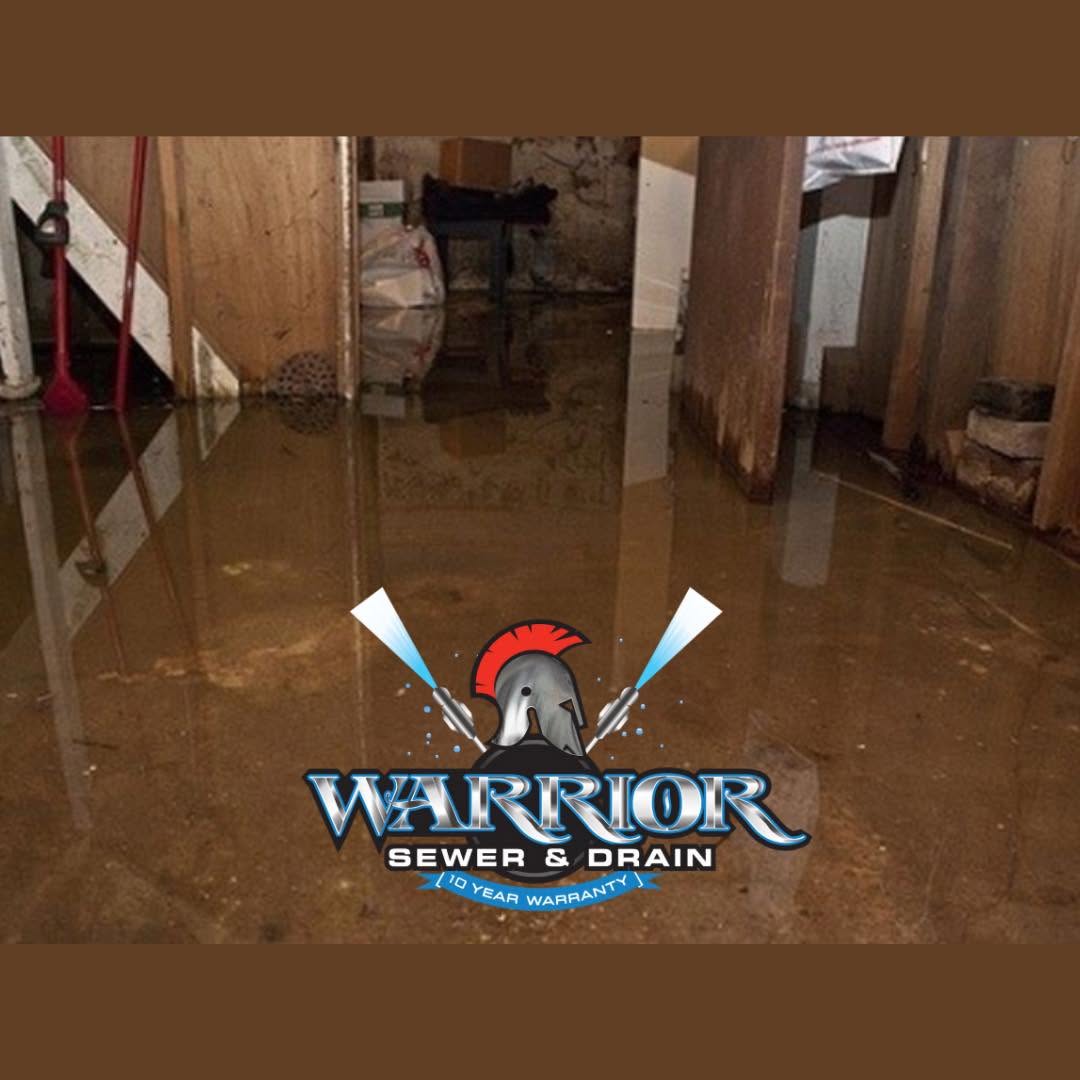
Restaurants, salons, and any tenant with heavy drain use put more strain on a building's sewer line than a typical office space. Grease buildup, food debris, and general wear on aging sewer lines all raise the odds of a backup, and when a shared line backs up in a multi-tenant building, more than one business can be affected at once.
Tree root intrusion is another factor, especially on older commercial properties with sewer laterals that have been in the ground for decades. A camera inspection is usually the fastest way to confirm whether roots, grease, or a structural break in the line is behind a recurring backup, rather than guessing and paying to clear the same blockage over and over.
Sprinkler and Fire Suppression System Failures
Fire suppression systems are required in most commercial buildings, and while they rarely activate, the piping that feeds them can still fail on its own. Corrosion inside a dry pipe system, a cracked fitting, or a valve that was never properly maintained can all lead to water release with no fire involved at all.
These failures tend to be dramatic when they happen, since sprinkler systems are designed to move a large volume of water quickly. A single head discharging in an office or warehouse can soak flooring, inventory, and equipment in a short amount of time. Regular inspection of these systems by a qualified contractor is one of the more overlooked ways a property owner can avoid a costly surprise.
HVAC and Appliance-Related Water Events
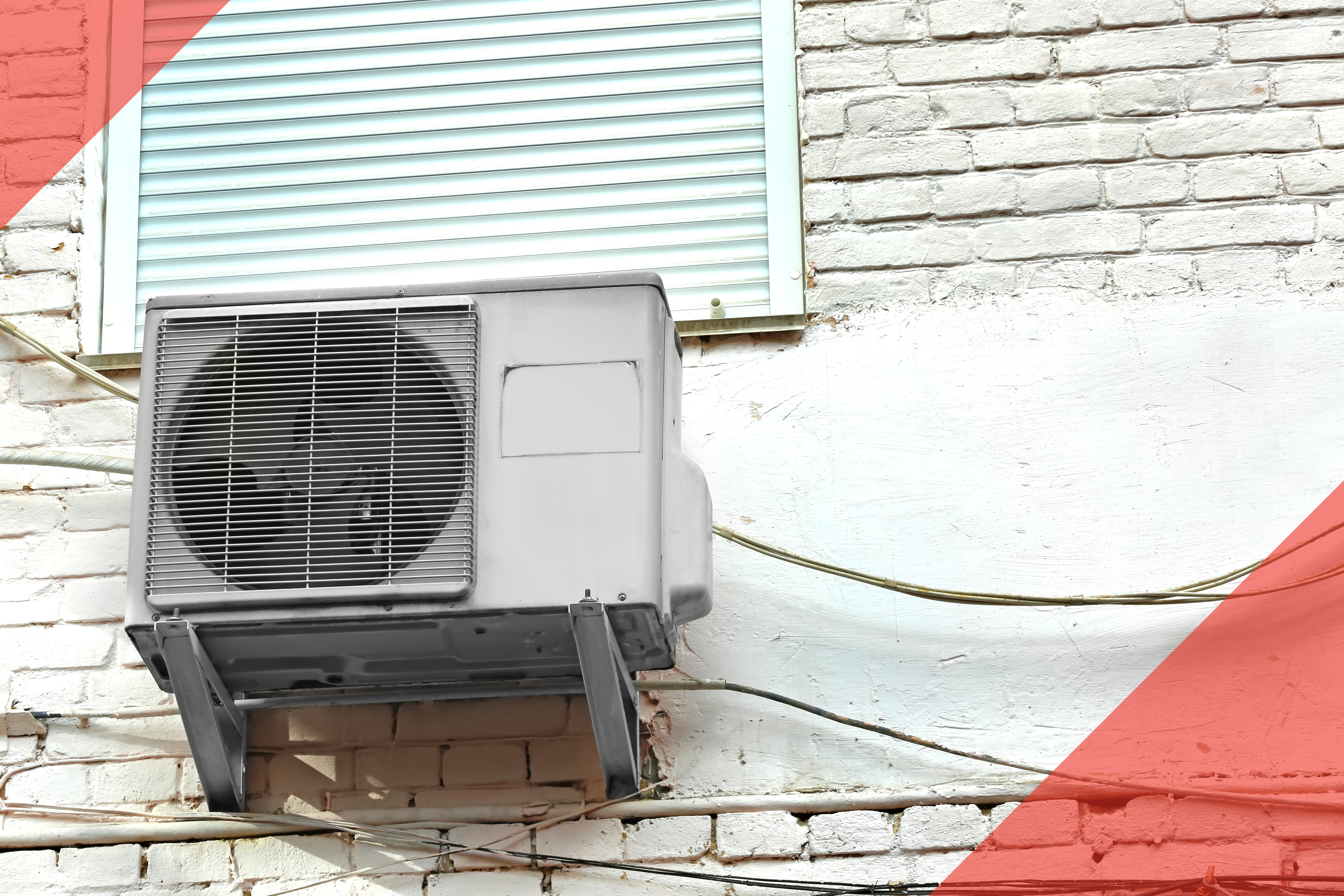
Rooftop units, large air handlers, and condensate lines all move water as part of normal operation, and when any part of that system clogs or fails, the water has to go somewhere. A blocked condensate drain line is one of the most common causes of ceiling stains and water damage in commercial spaces, particularly during peak cooling months when systems are running the longest.
Water heaters, dishwashers, ice machines, and other commercial appliances add another layer of risk. A single failed supply line behind a break room sink or a leaking commercial water heater can release a significant amount of water before anyone notices, especially in spaces that are not occupied around the clock, which is often when water damage restoration calls come in the furthest along.
Why Commercial Water Damage Spreads Faster Than Homeowners Expect
Commercial spaces often have larger open floor plans, shared HVAC systems, and flooring materials that carry moisture further and faster than a typical home. Carpet tile, for example, wicks water sideways in a way that can affect an entire section of a building before anyone realizes there is a problem at all.
This is why we treat commercial calls with the same urgency as any emergency, whether the source is a burst pipe, a backed-up sewer line, or a failed rooftop unit. Once we arrive, we focus on stopping the source first, then move into drying and repair so a property can get back to normal operation with as little disruption to your business as possible. If you manage a commercial property in the St. Louis area and want a closer look at where your building may be at risk, our team is glad to walk through it with you.
Related Topics:
- What Should You Do If Your Water Heater Leaks in St. Louis, MO?
- Why Is Mold Prevention Part of Water Damage Restoration in St. Louis, MO?