Can Water Damage Affect Indoor Air Quality in St. Louis, MO?
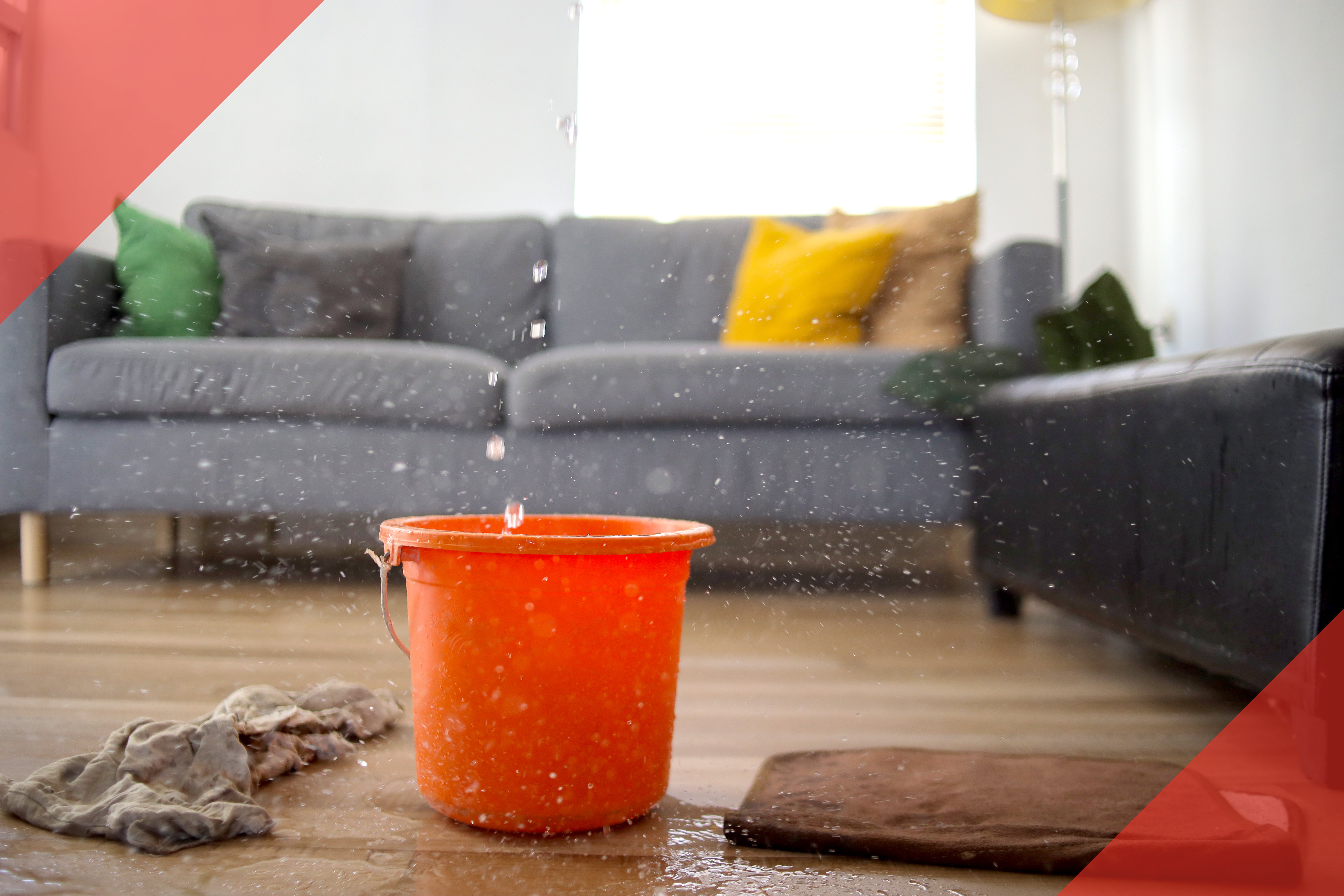
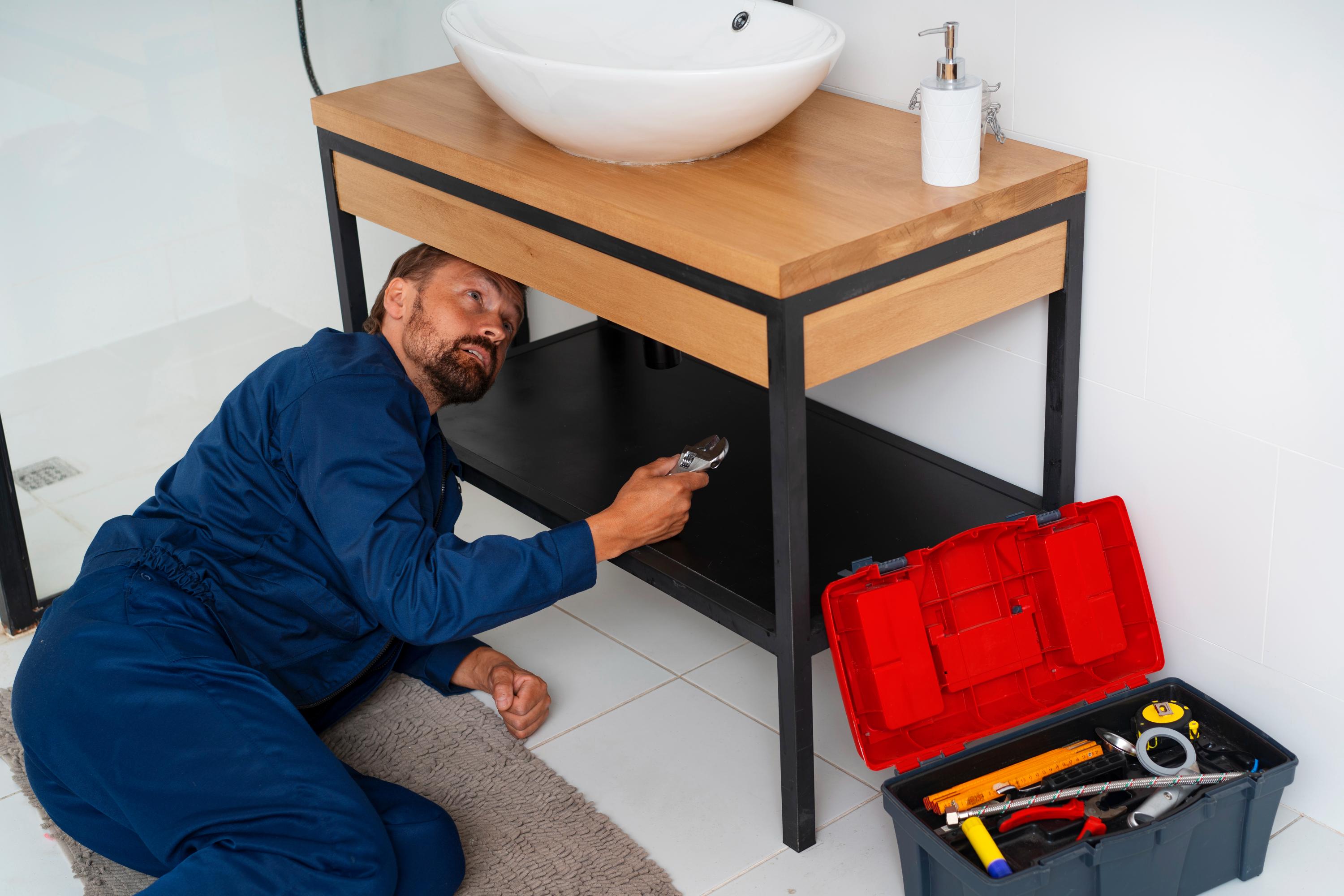
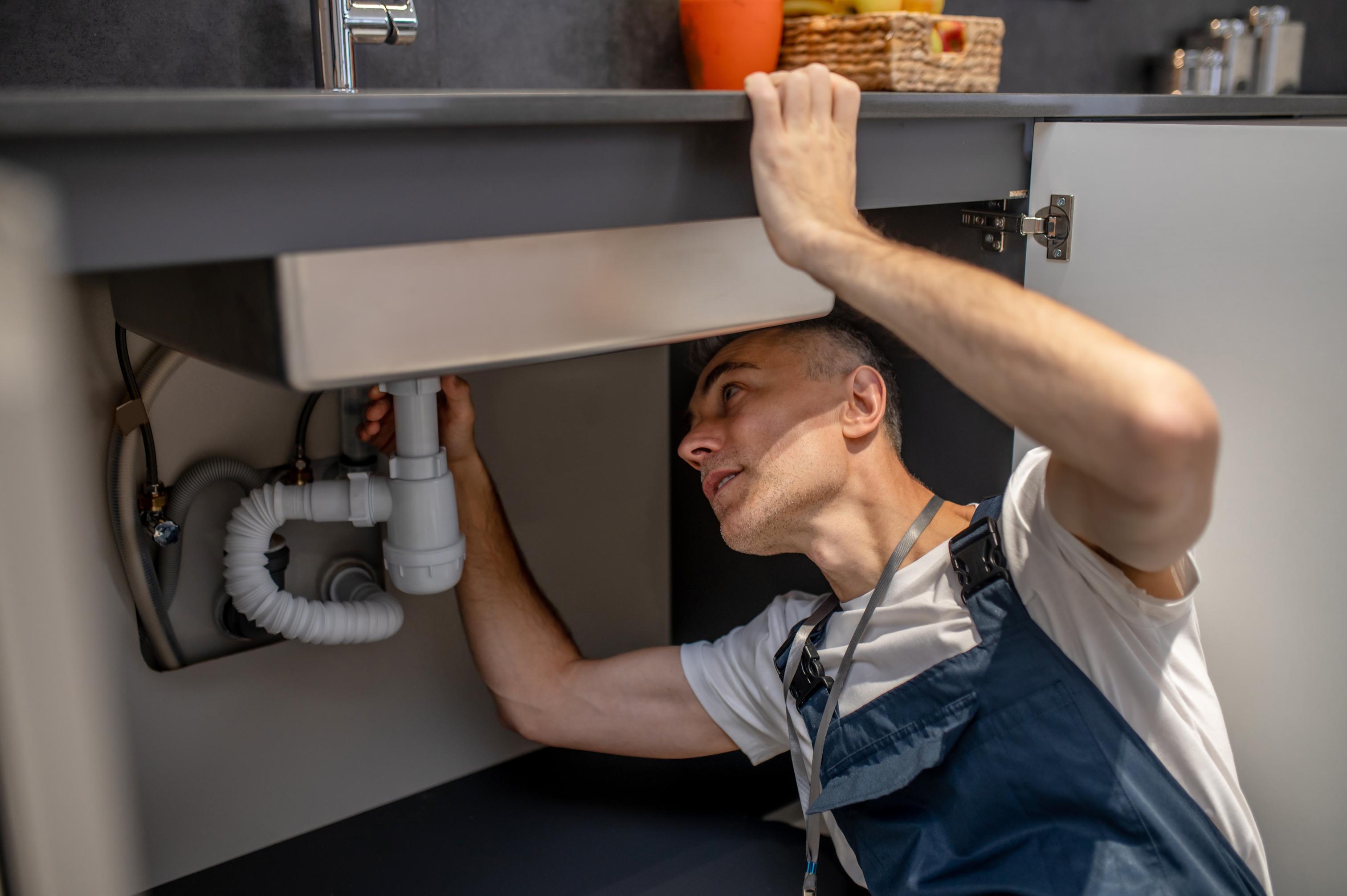
Water damage almost never stays where it started. A pipe bursts, a roof leaks, or a basement floods, and even after a skilled plumber fixes the source, moisture has already worked its way into flooring, drywall, and insulation. That trapped moisture quietly changes the air inside a home, often well before any stains or musty smells give it away.
Our team handles water damage restoration throughout the St. Louis metro and St. Charles County, and homeowners frequently ask us the same thing: could a leak or flood from months or even years ago still be affecting the air they breathe now? More often than you might expect, the answer is yes.
How Trapped Moisture Changes the Air You Breathe
Once water gets into a building material like drywall, subflooring, or insulation, it does not simply evaporate and disappear. Materials that stay damp for more than a day or two begin releasing that moisture back into the surrounding air as humidity rises in the affected space. Over time, this creates a damp, heavy feeling in a room that many homeowners describe without realizing there is a specific cause behind it.
That extra humidity does more than feel uncomfortable. It creates the exact conditions that allow mold, bacteria, and dust mites to multiply faster than they would in a normal, dry environment. The air in a room affected by hidden moisture is rarely the same air quality as the rest of the home, even if nothing looks visibly wrong on the surface.
Mold Spores and Respiratory Concerns
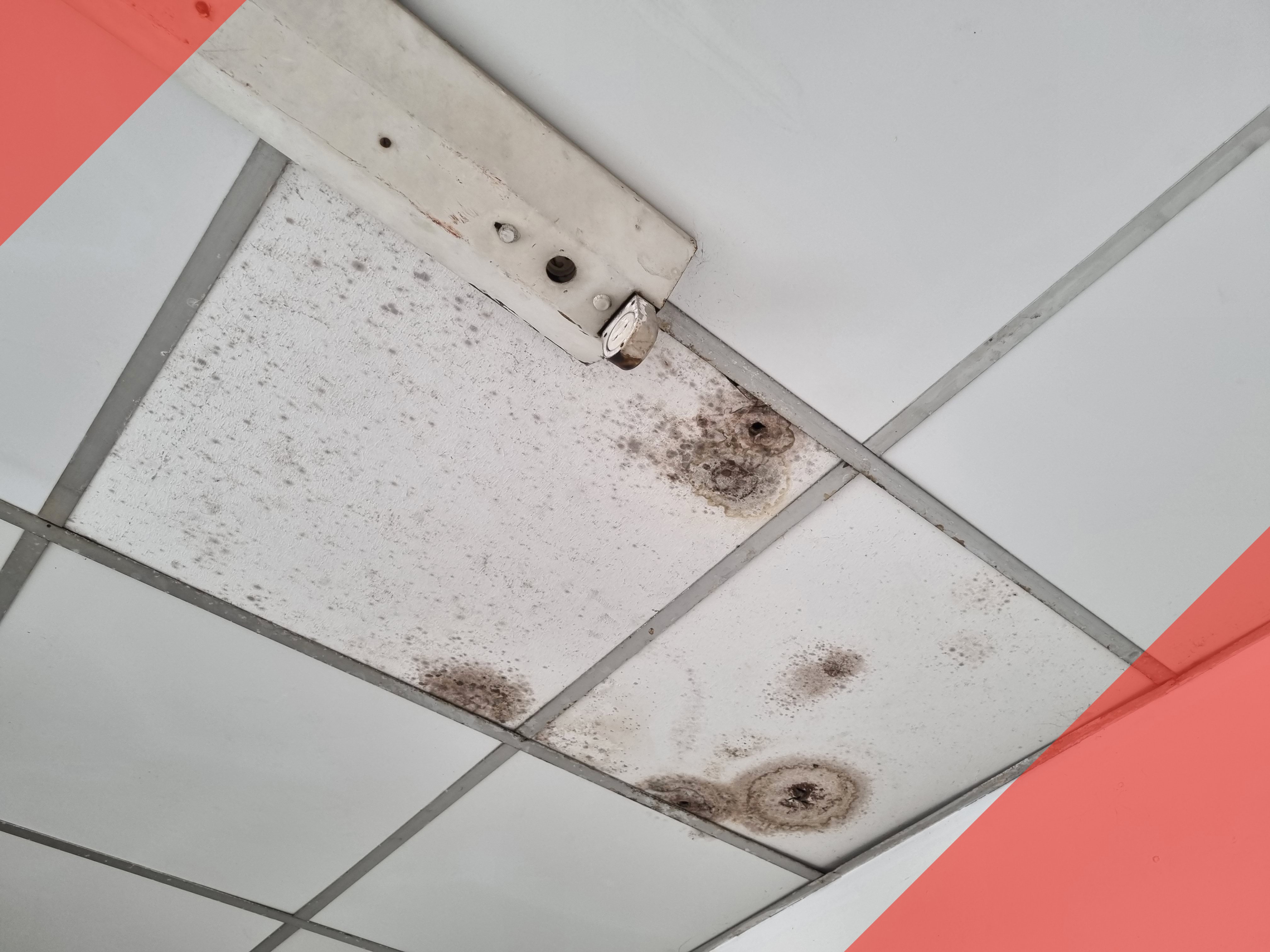
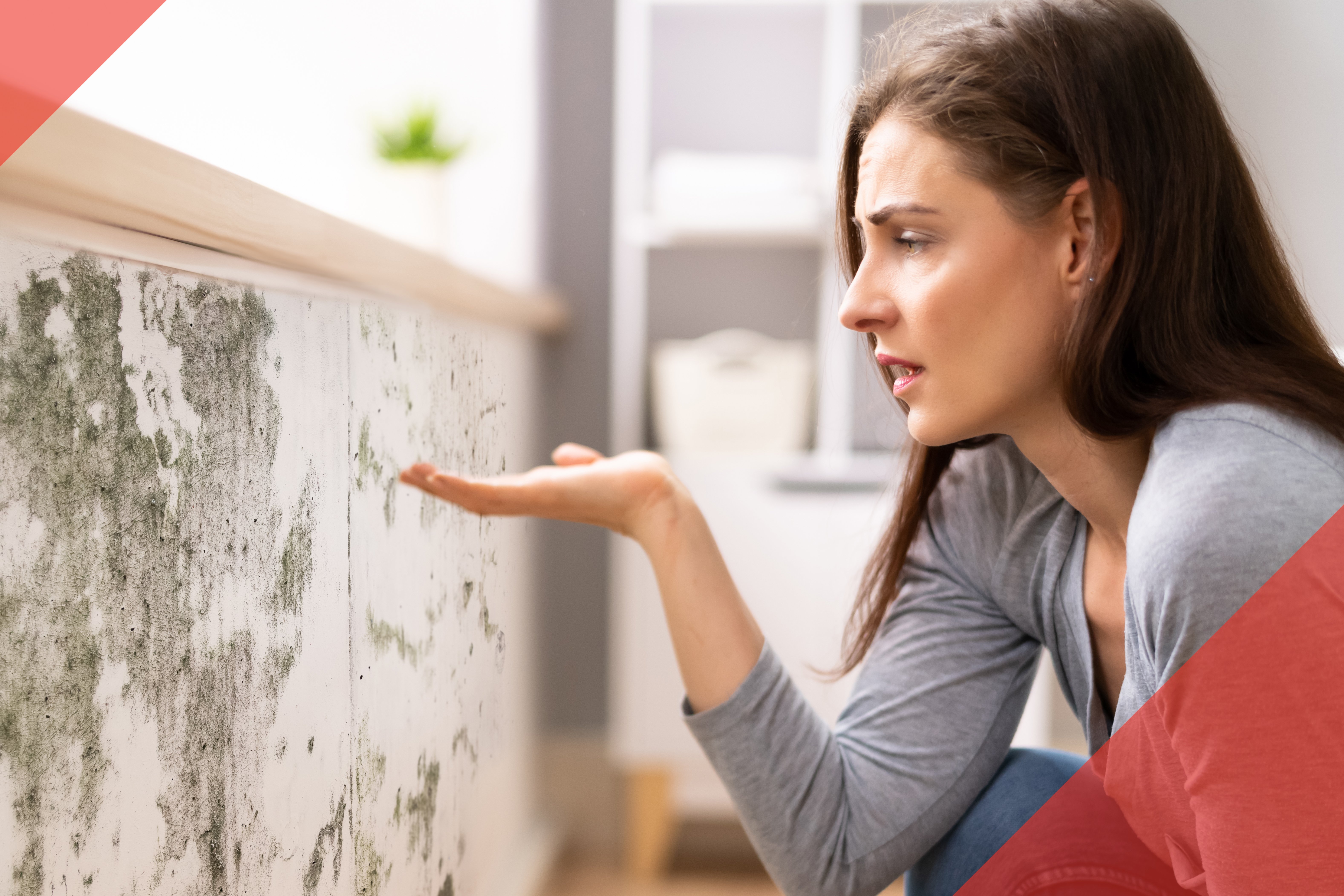
Mold needs moisture to grow, and a water damaged area that is not fully dried out provides exactly that. As mold colonies establish themselves inside walls, under flooring, or behind cabinets, they release spores into the air that can travel well beyond the original source of the moisture.
For most people, exposure to higher mold spore counts shows up as irritation such as coughing, sneezing, or a stuffy nose that seems to linger without an obvious cause. Those with asthma, allergies, or other respiratory sensitivities often notice symptoms more quickly and more intensely. This is one of the main reasons full drying and remediation matters so much after any significant water event, rather than simply replacing what is visibly damaged.
Musty Odors and What They Signal
A persistent musty smell is one of the clearest signs that moisture is still present somewhere in a home, even after visible water has been cleaned up. That odor comes from microbial growth, whether mold, mildew, or bacteria, breaking down organic material in damp conditions and releasing compounds into the air as a byproduct.
Homeowners sometimes try to mask this smell with air fresheners or by increasing ventilation, but that only covers up the underlying issue rather than solving it. If a musty odor keeps coming back in the same area of a home, it usually means there is still trapped moisture somewhere that a visual inspection alone will not catch.
Hidden Moisture Behind Walls and Under Flooring

Some of the most persistent air quality problems come from moisture that never gets fully addressed in the first place. Water that soaks into a wall cavity or under a subfloor can dry on the surface while staying wet underneath for weeks, quietly feeding mold growth the entire time.
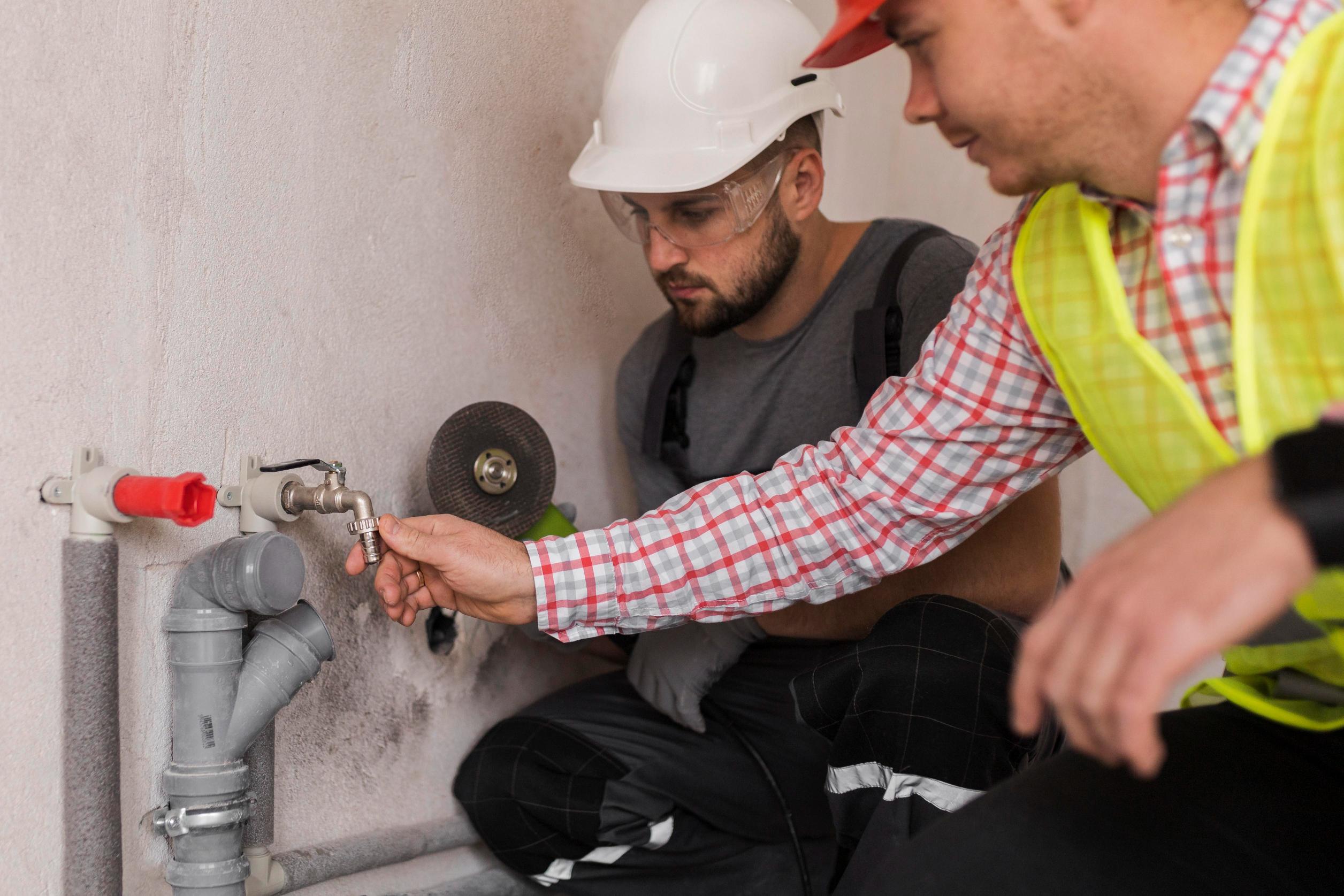
This is why professional drying equipment and moisture meters matter so much after a leak or flood. Surface drying with fans and a dehumidifier is not the same as confirming that a wall cavity or subfloor has actually returned to a normal moisture level, which is where a proper leak detection check earns its keep.
Skipping this step is one of the more common reasons a home develops ongoing air quality issues months after a water event seemed resolved.
Ventilation Problems After a Water Event
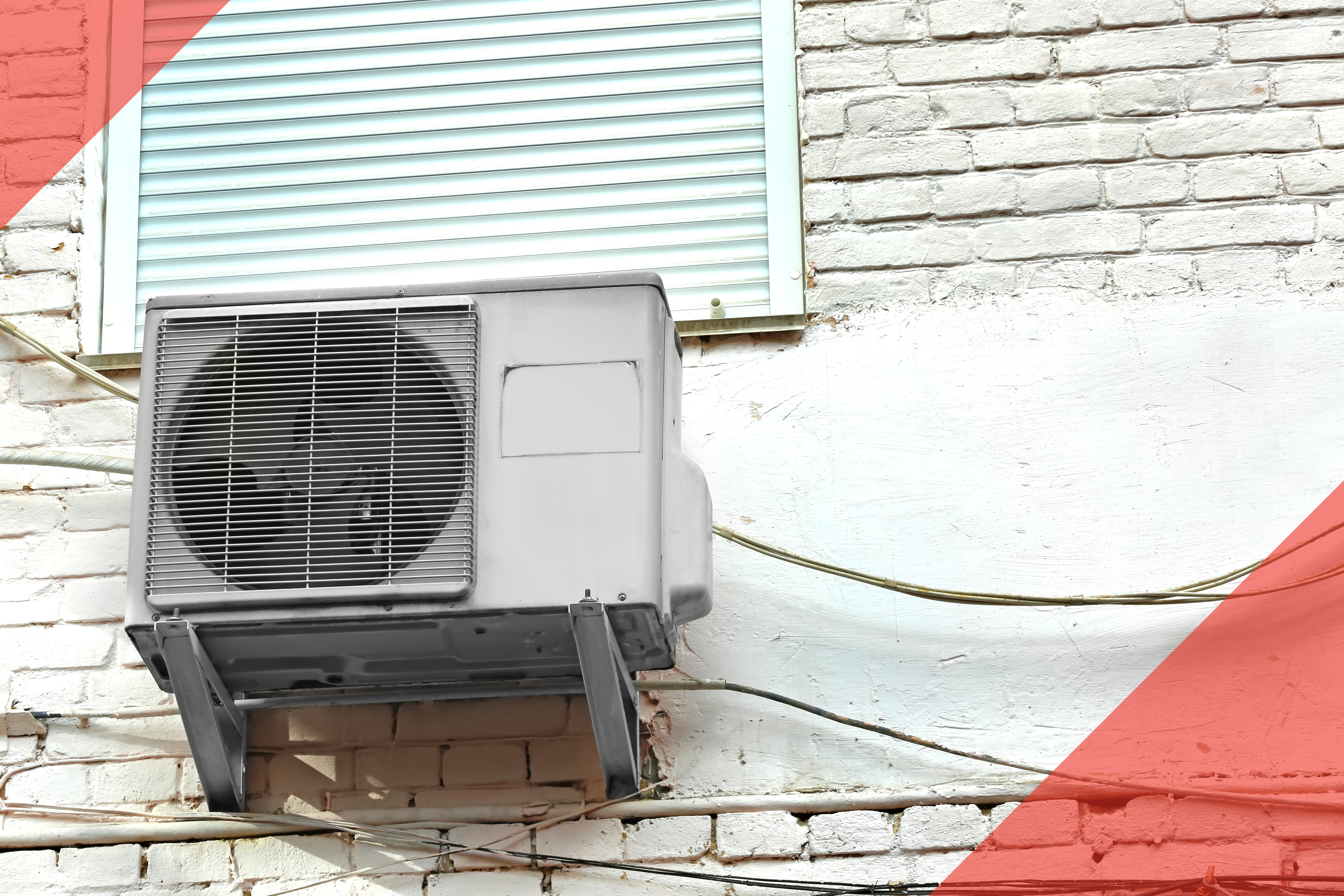
Water damage doesn't stop at soggy carpets and warped floors. It can quietly work its way into a home's ventilation system too, a detail that's easy to miss once the obvious drain services and repairs are finished. Ductwork that's absorbed moisture becomes a breeding ground for mold, and every time the system runs, those spores get pushed through the whole house. Bathroom and kitchen exhaust fans knocked out of commission during repairs can also leave a home short on the fresh air it needs.
Checking on ventilation should happen alongside the drying process, not as an afterthought. A house might look and feel dry on the surface, yet still be circulating air that's been compromised if nobody inspected the ductwork or exhaust setup. Sometimes the fix is as small as plugging a bathroom fan back in, one that got unplugged during repairs and never reconnected, but if it's forgotten, that room ends up trapping more moisture than it should, day after day.
Steps That Protect Air Quality During Restoration
Protecting indoor air quality after water damage starts with fully drying the affected area, not just the parts that are visible. That means using moisture meters to confirm wall cavities, subfloors, and other hidden spaces have actually returned to a safe level rather than assuming a few days with a fan is enough.
From there, any materials that cannot be fully dried or cleaned, such as saturated insulation or heavily affected drywall, typically need to be removed rather than left in place. Our team's approach on every restoration job is to treat the moisture problem completely, not just clean up what is visible, since that is the difference between a home that truly recovers from water damage and one that quietly keeps dealing with it for months afterward.
Related Topics:
- How Can HVAC Systems Contribute to Water Damage in St. Louis, MO?
- What Causes Water Damage in Commercial Buildings in St. Louis, MO?